
A Russian grave?
The wonders at Worth Church

Jason, the gardener at Worth church and the man who reveals the secrets behind the graves, saw me take a photo of a somewhat peculiar wooden cross. He was sitting on a bench a little further away with his mother, who had brought him some tea, but he immediately rushed over.
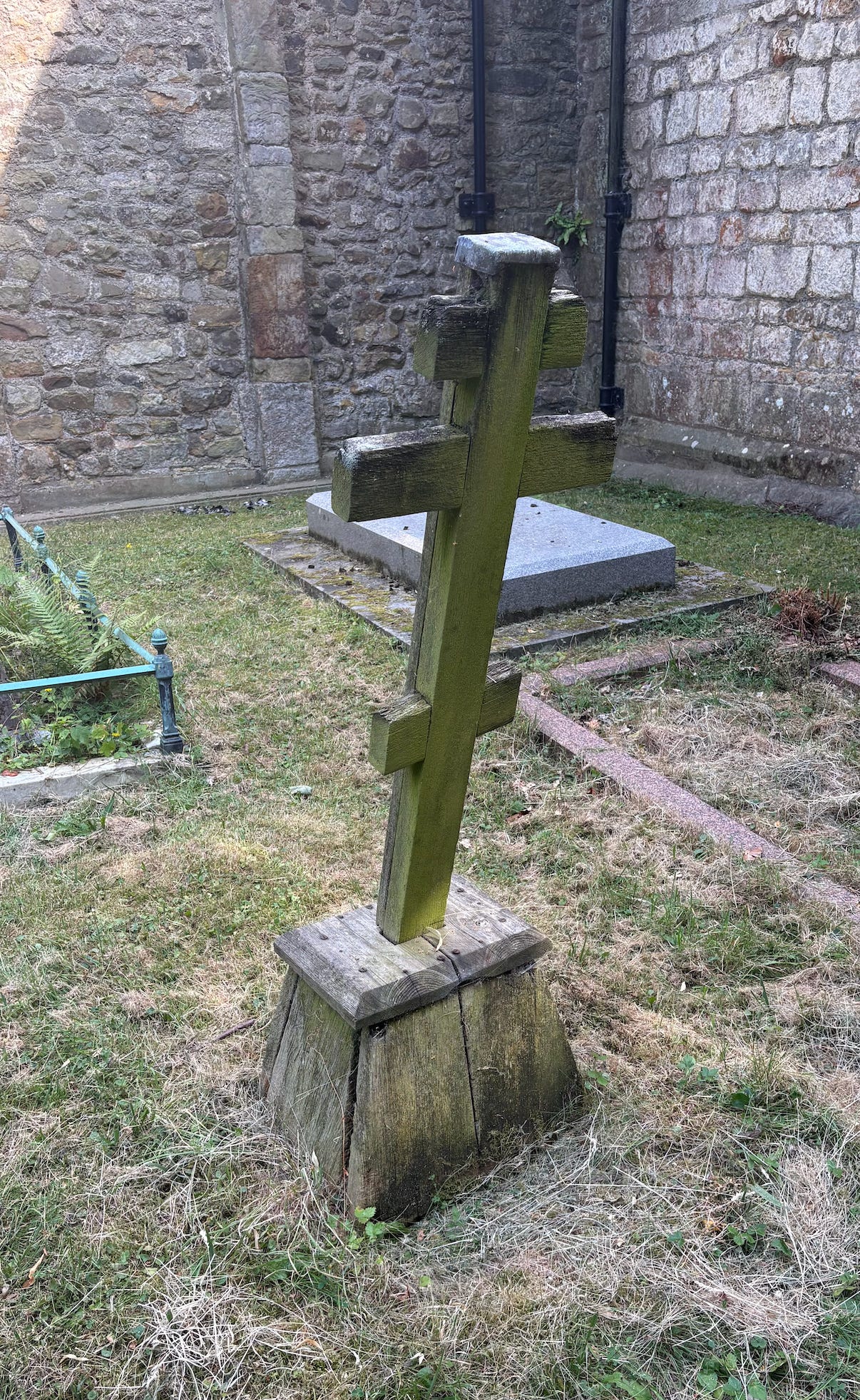
“A curious cross, isn’t it?” he exclaimed in an elated voice. “I think they tried to make it look like a Russian Orthodox cross. It can only be called a well-intentioned attempt. It is the English variant of the Russian Orthodox cross.”
It turned out to be the grave of Oliver Locker-Lampson, whose family occupies a large number of the graves near the former entrance to Worth Church. According to Jason, that entrance was moved when a new bell tower was built in the late nineteenth century. In the already overcrowded cemetery, some space was thus created for new graves. “It is probably no coincidence that these plots were allocated to the tower’s most important benefactors,” says Jason.
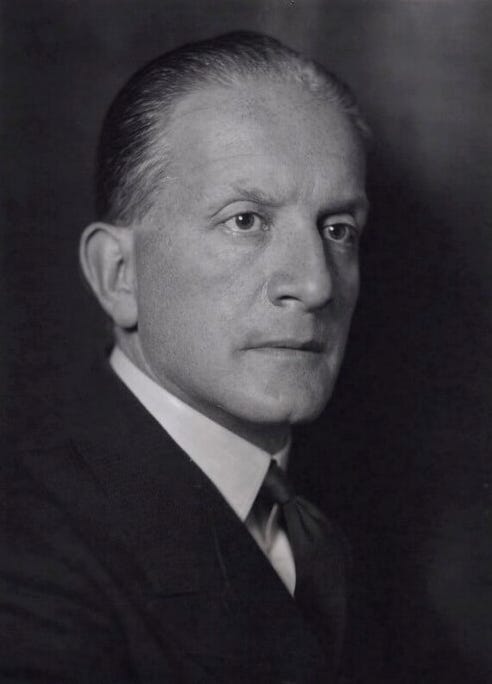
The Lockson-Lampsons were a wealthy family. He was a member of the House of Commons from 1910 to 1945 for various constituencies and, as I learn from Wikipedia, represented the right wing of the Conservative Party.
Jason told me that when the First World War broke out in 1914, a proper place had to be found for Oliver. After consultations with Churchill, he was given a quiet position in Russia, on the condition that his family would finance a substantial amount of military equipment,
Russia proved to be anything but peaceful. Soon, Lockson-Lampson became involved in the problems facing the Russian Tsar and his family. It’s said he was part of – ‘the only Englishman’, according to Jason – ‘a plot to assassinate ‘Ra Ra Rasputin, lover of the Russian Queen – as sung by Boney M.’
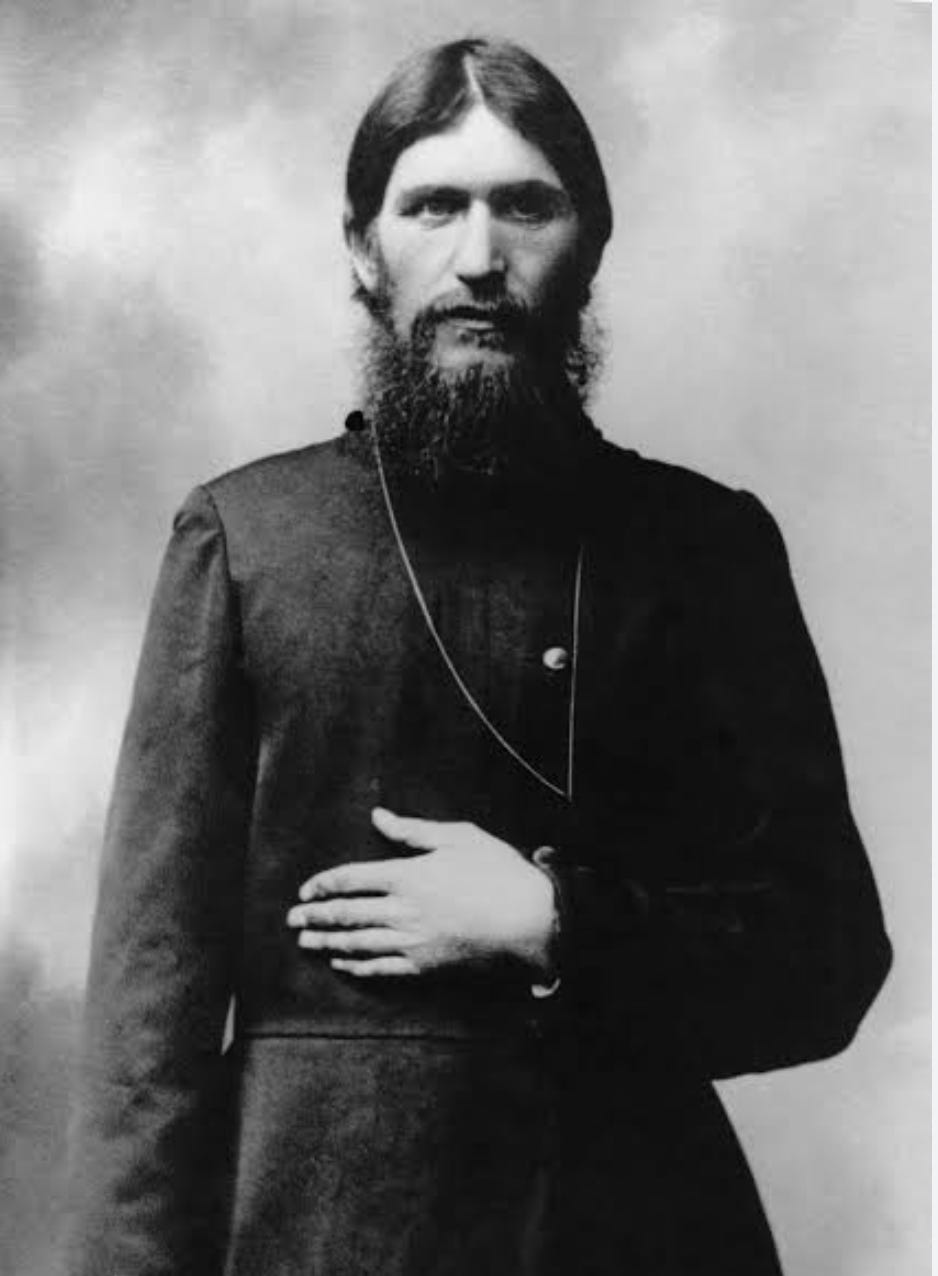
That failed. More went wrong, too. Allegedly, Locker-Lampson was also ordered to smuggle the Tsar (related to the British royal family) to England.
Locker-Lampson continued to actively oppose communism. Eventually, he began to view fascism as a greater danger. In the House of Commons, he advocated for granting British citizenship to Jews who had fled from Germany. He is said to have sheltered Albert Einstein, among others, in his home in Norfolk.
Isn’t it amazing how a peculiar wooden cross manages to hold a substantial part of twentieth century world history? There is a bit of Churchill, something of Rasputin, and something of Einstein hidden behind it. Now I know that, and you all do too, thanks to Jason. Thank you.