
Castle Howard

I felt like Charles Ryder when I recently arrived at Castle Howard, the country house made famous by the series and film, Brideshead Revisited. True, I didn’t step out of a Mors motorcar (famously used to transport Sebastian Flyte and Charles Ryderon on a summer’s day), but instead arrived in a mini bus on a cold winter’s evening—but the magical effect was the same. Ladies with champagne were waiting in the Great Hall, near a statue of Bacchus,. A chamber orchestra played music from Bridgerton, the other well-known series partly filmed here. (I must confess that I haven’t seen that series.)
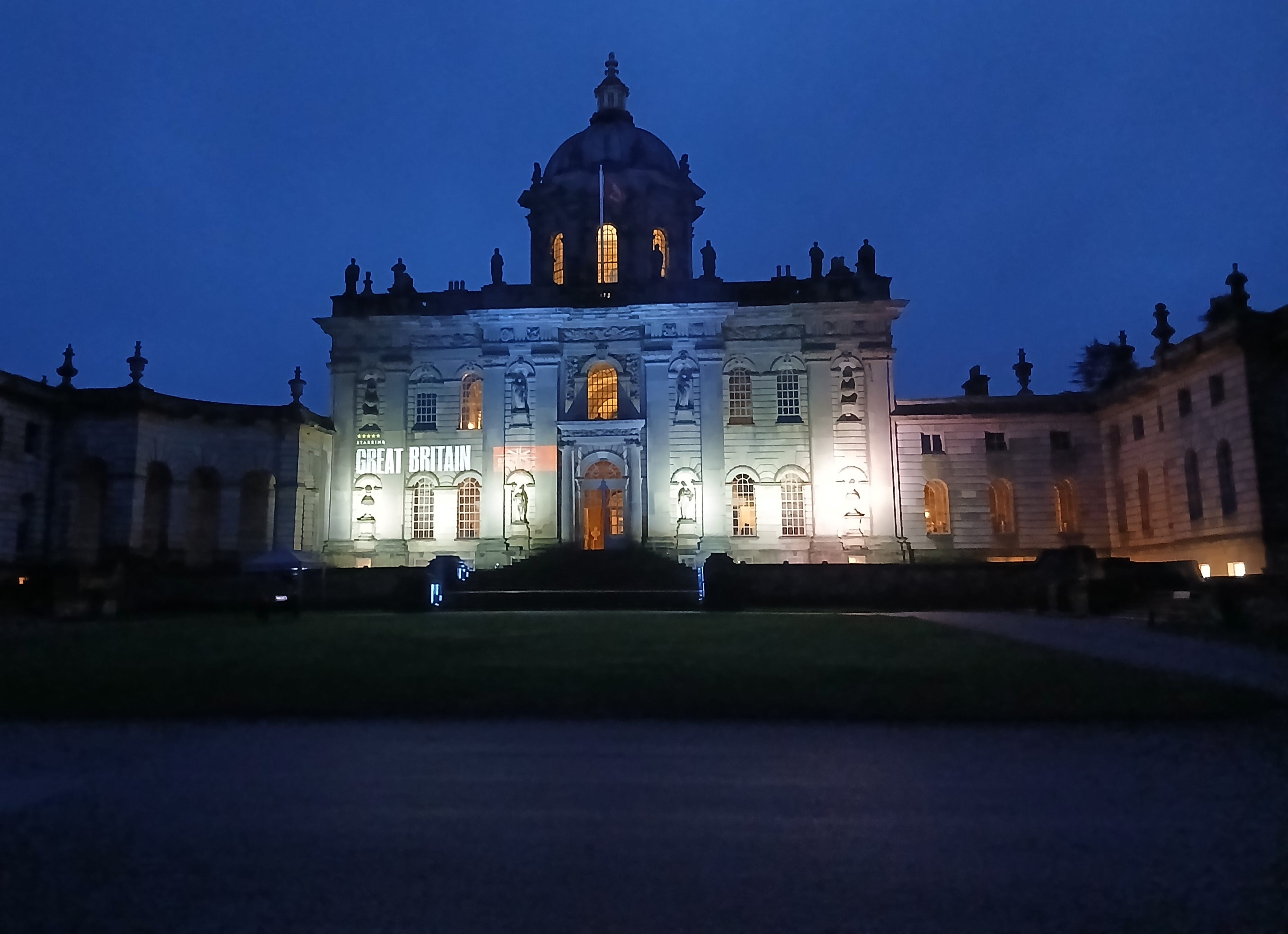
I have a special bond with the jewel of North Yorkshire, as I live in Vanbrughfields, named after the architect, Sir John Vanbrugh. Although he’d never designed a building before, George Howard, the Third Earl of Carlisle commissioned him at the end of the 17th century to build a Baroque castle on the southern edge of the North Yorkshire Moors. Construction took almost a century. The different architectural styles that evolved over this long period are reflected in the contrasting mix of Baroque and Palladian styles. The facades are decorated with carvings, statues, and urns.
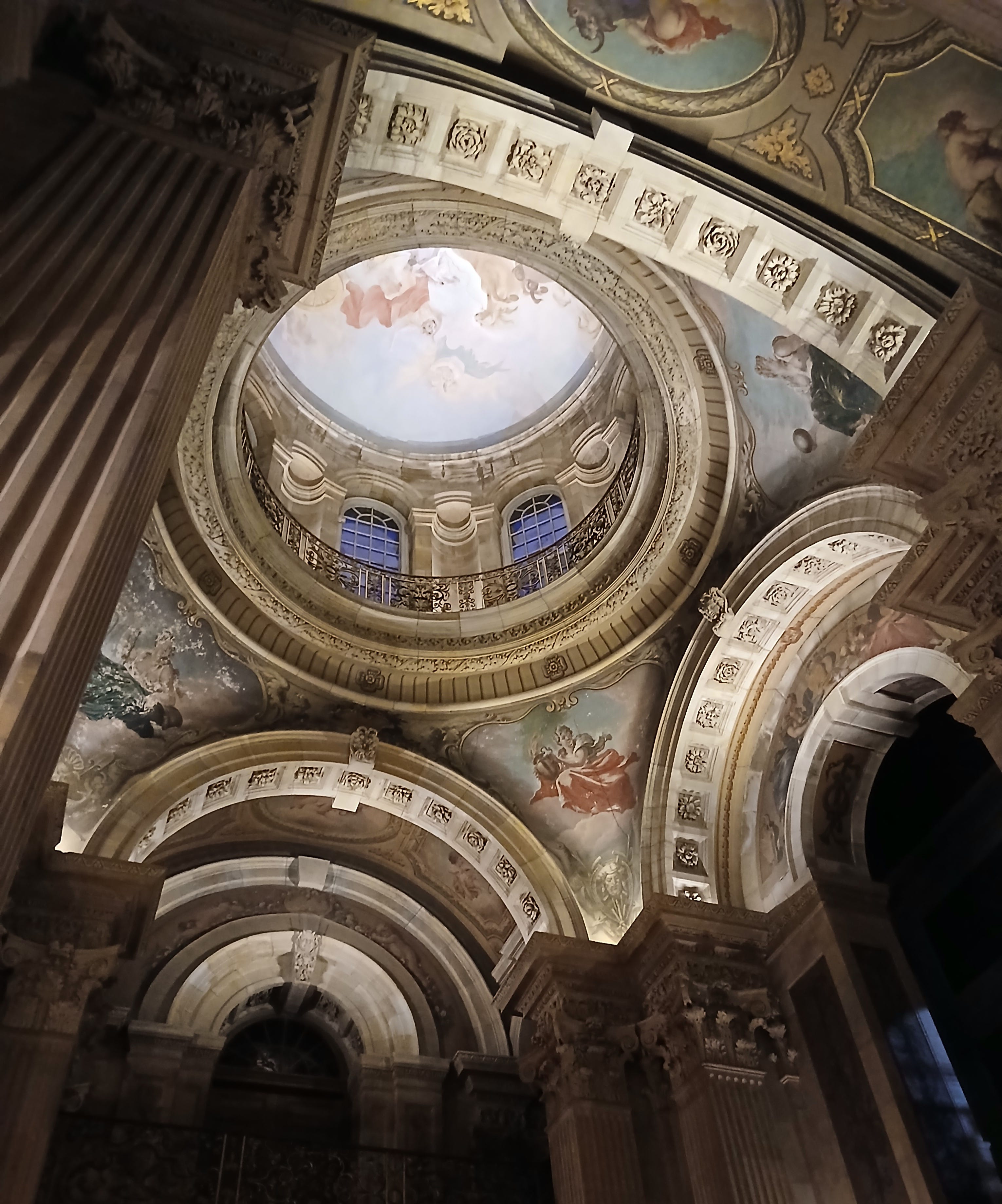
The Great Hall, with its dome, makes an imposing entrance. Inside, the dome is fully integrated into the hall’s architecture. The central space of the Great Hall is defined by the colossal substructure of the dome, which rises above the square floor plan like a gigantic canopy. On the other side of the space, framed by the southern cardinal arch, the visitor is confronted with two arched doorways, one on the ground floor, the other leading to the refectory and the staircase. These openings mark the ceremonial routes through the house.
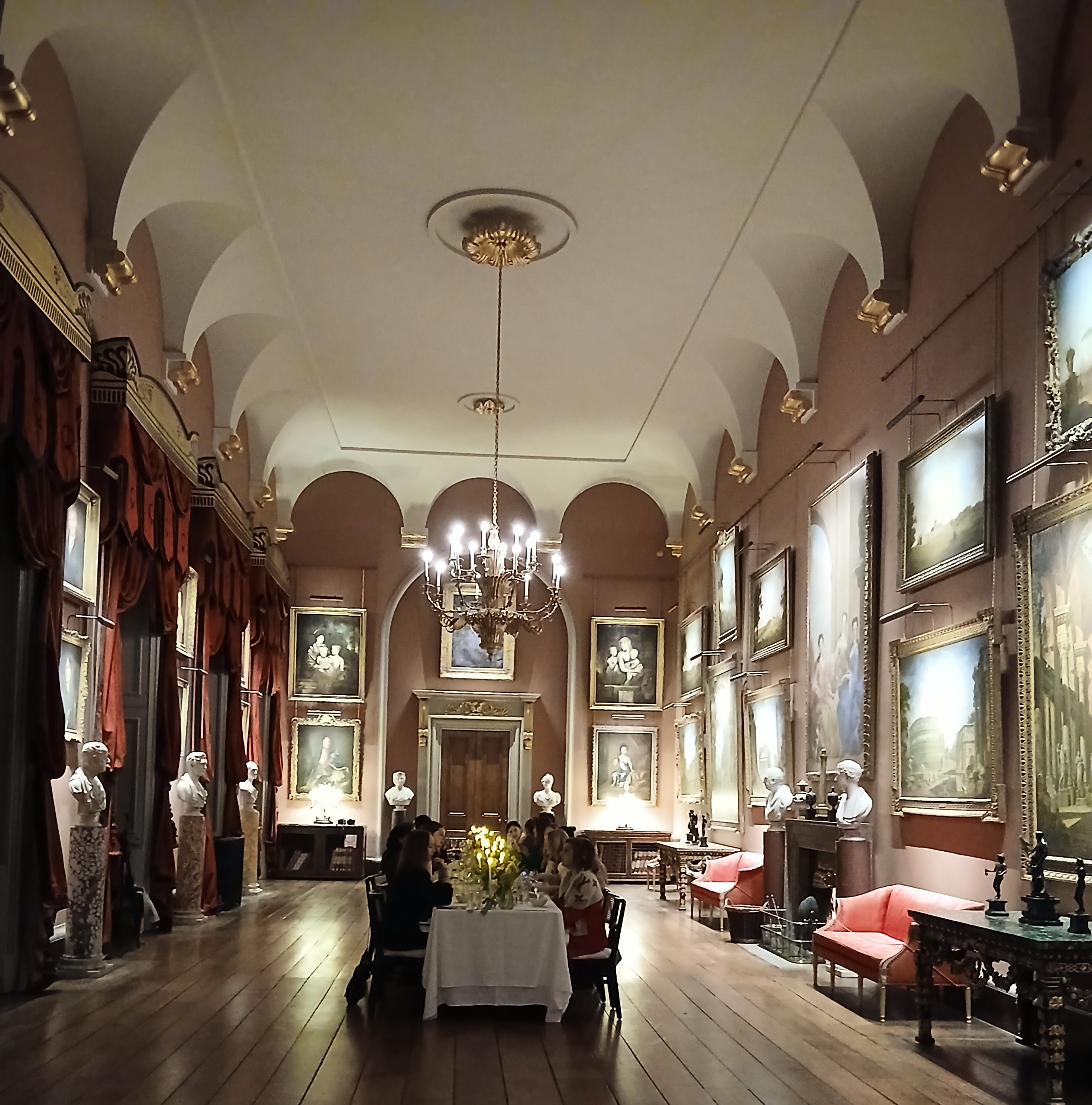
Walking through a passageway filled with statues from Roman antiquity—one of Lady Fortune had “plastic surgery on her cheek and hand” in the 17th century—I ended up in the Long Gallery, where a collection of Italian and Grand Tour paintings hangs on the wall. Among them are Pannini’s capriccios of Rome. In one, a dying gladiator is visible in the foreground of the Colosseum, resembling a statue in The Great Hall. Like many other English aristocrats living during the British Empire, the Howards were fond of Italy and antiquity.
Portaraits of the Howards and their friends also hang on the walls. The Duchess of Richmond is on a plaque painted by Peter Lely. This lady was loved by King Charles II, who had a keen eye for feminine beauty. But he never managed to win her over. She now hangs next to a painting of the king’s wife, Catherine of Braganza.
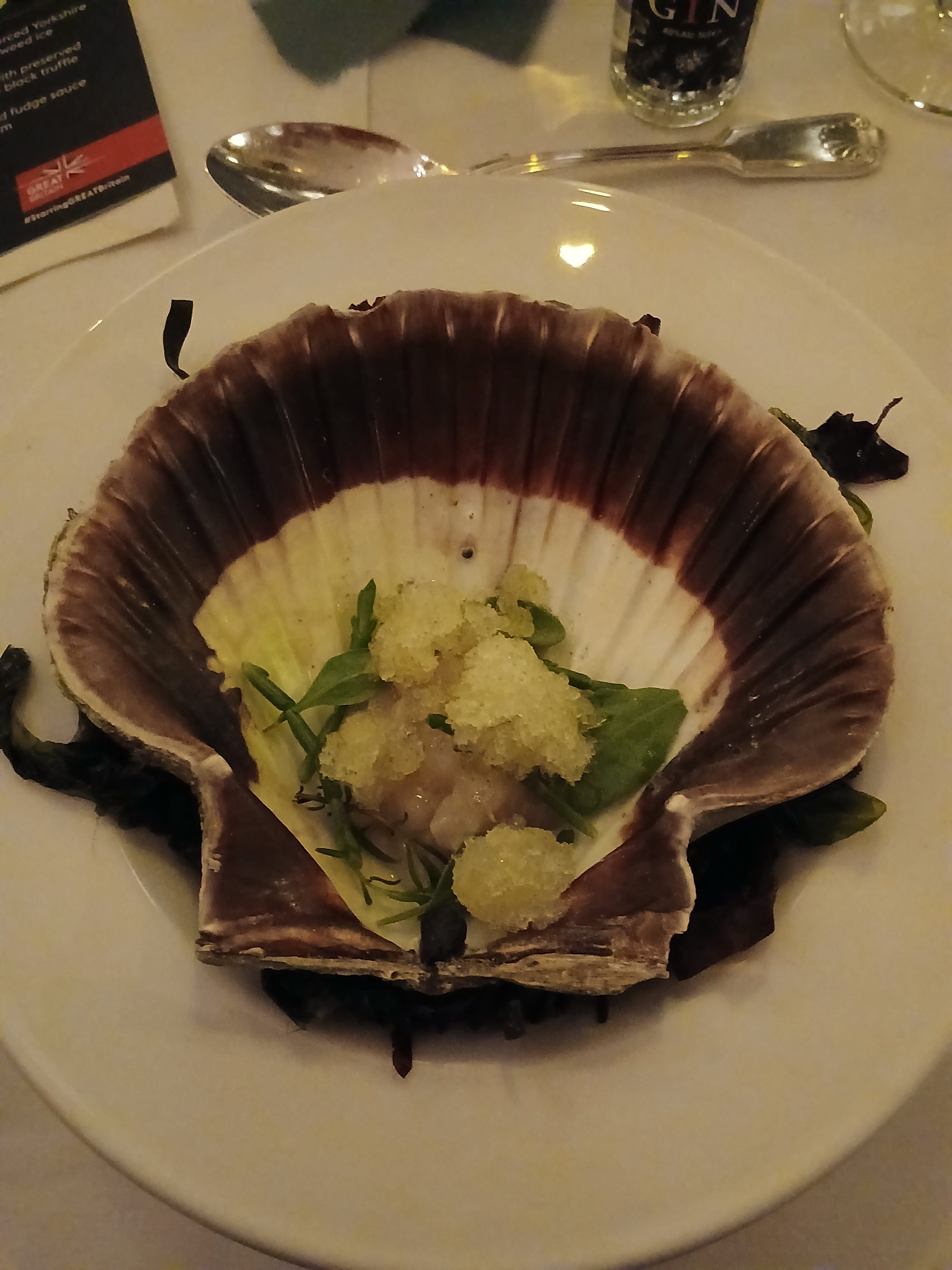
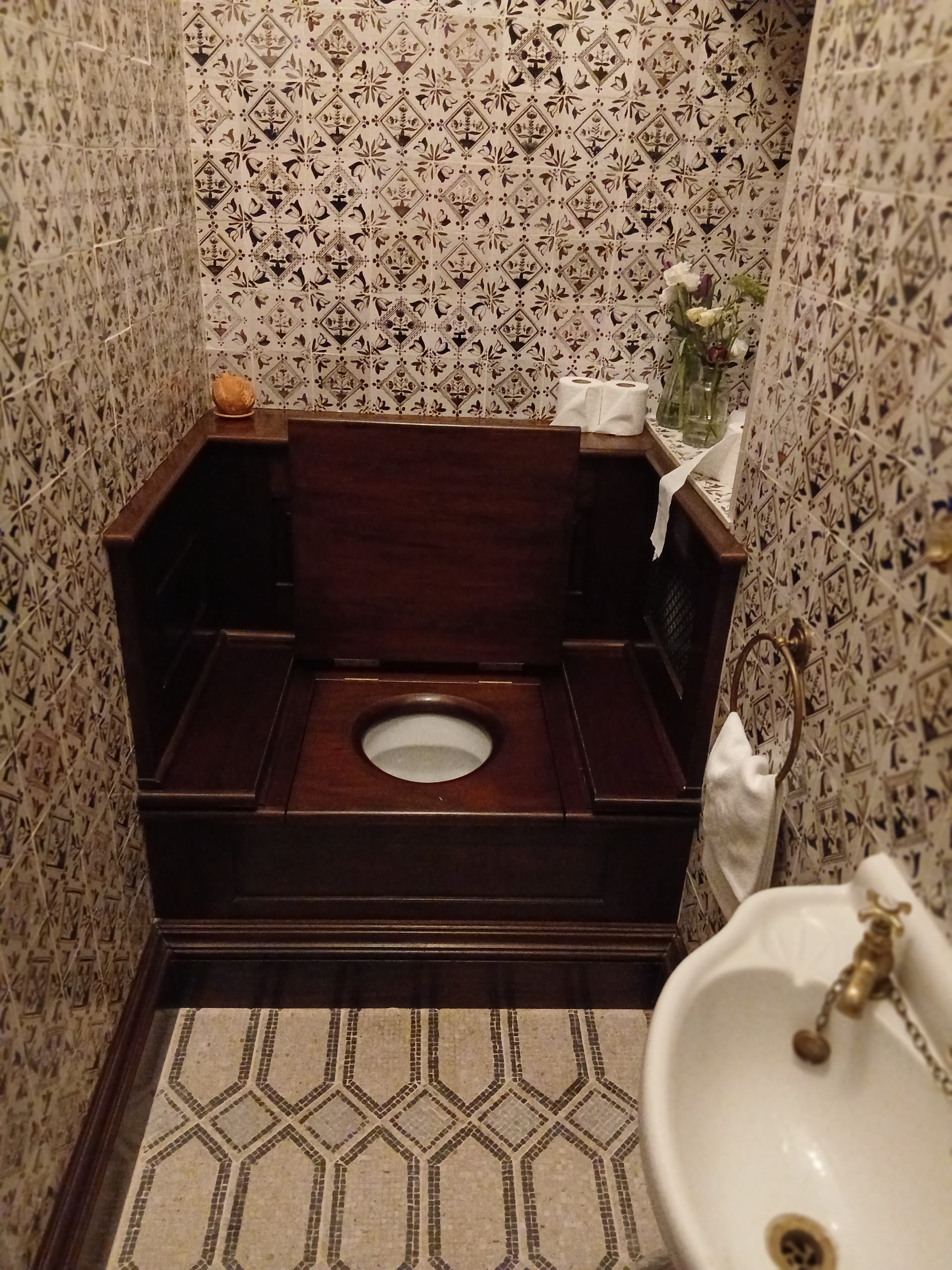
After an exquisite dinner, prepared by chef Joshua Overington with products largely sourced from the estate, I had to use the restroom. That turned out to be quite an experience, as I was able to sit on a wooden toilet with a hole in the middle, a traditional bench toilet. Very Brideshead!
 | A guest post by
|