
Churchill's money

In a recent interview with Andrew Graham-Dixon, author of a beautiful and original book about Johannes Vermeer, the conversation turned to money. To be precise, the 20-pound note. The art historian had sat on a committee advising the Bank of England at the time. They were choosing the famous people the British would be using for cash payments from then on. In the artistic genius category, the final battle was between Josiah Wedgwood and JMW Turner. The bank boss at the time, Mark Carney, preferred the potter, but Graham-Dixon won the debate with his plea for the painter.
It must have been with a heavy heart that the Vermeer biographer heard the recent news that ‘his’ note will become a thing of the past. Minister Rachel Reeves and the Bank of England have decided to replace the four famous Britons on the notes—alongside Turner, Jane Austen, Alan Turing, and Winston Churchill—with otters, badgers, beavers, deer, foxes, and other native animals. Meanwhile, the Animal Protection Society (which predates the Child Protection Society here) has weighed in on the animal debate. It is advocating for pigeons, rats, and seagulls to be on the new designs. Dog and cat lovers are also feeling overlooked.
The decision is in line with the wider fight against the country’s cultural heritage. In the same week, the House of Commons voted to remove the aristocracy from the House of Lords - to make room for party donors. Old money is being replaced by new money.
Back to the banknotes. The removal of Sir Winston from the ‘fivers’ has caused a particular stir, both among Nigel Farage, the Reform UK leader, and his counterpart Ed Davey, the Liberal Democrat. ‘Churchill,’ said the latter, ‘contributed to the defeat of fascism in Europe. He deserves better than to be replaced by a badger. I can’t think of a worse time to do this.’ Farage also expressed his disappointment: ‘They propose replacing people like him with an image of a beaver.’
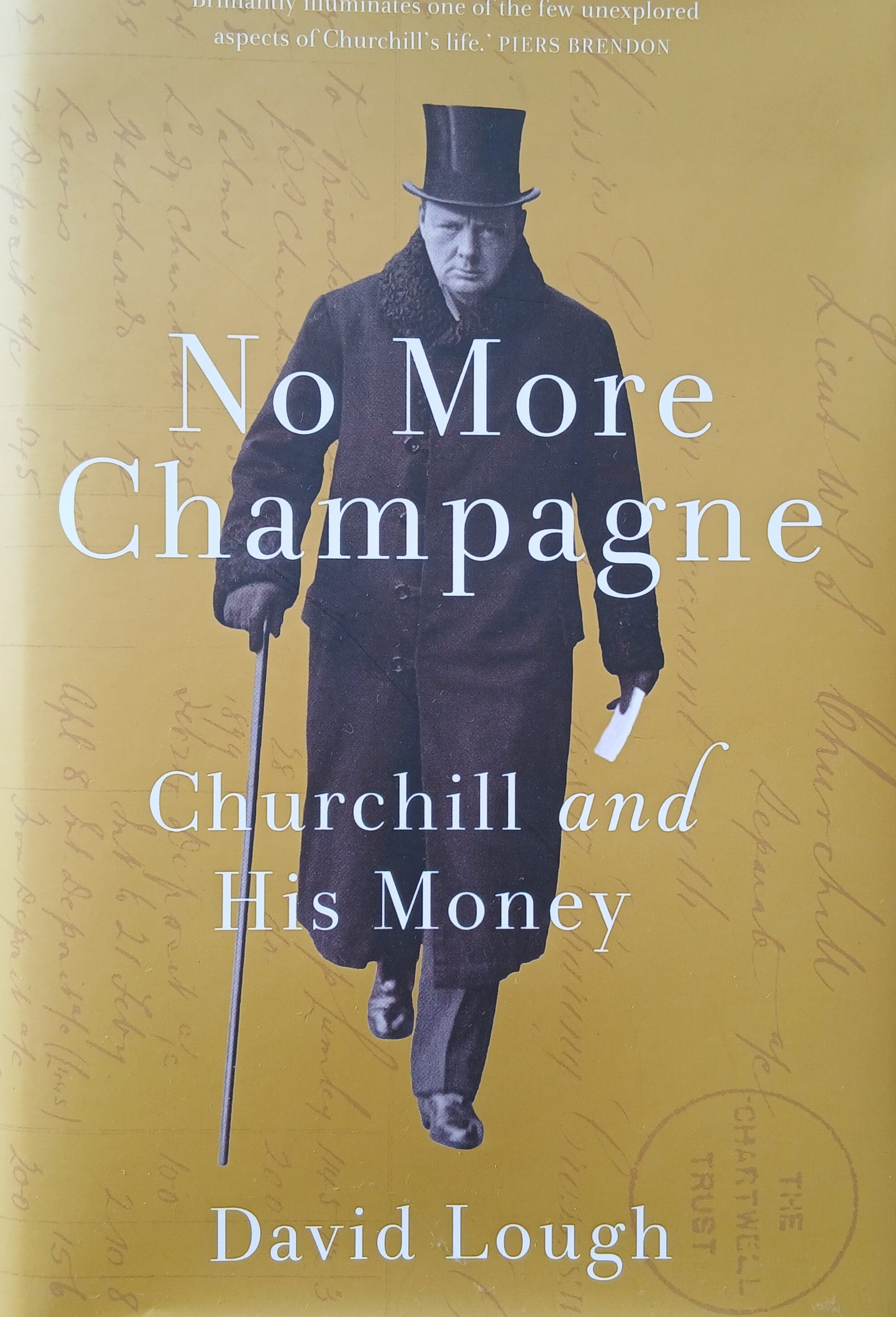
Whether he is replaced by a badger or a beaver, or by a rat, this is a posthumously painful moment for Churchill. More than ten years ago, Oxford historian David Lough wrote a scholarly book about the difficult relationship Churchill had with money. From *No More Champagne: Churchill and His Money*, the image emerges of a man who wanted to live lavishly but actually lacked the financial means to do so (his admirer Boris Johnson would face the same problem). ‘Money is,’ he wrote to his brother Jack, who traded stocks on his behalf, ‘the only thing I worry about in life.’
And 61 years after his death, Churchill, a distant predecessor of the current Chancellor of the Exchequer Rachel Reeves, still has money worries...
 | A guest post by
|