
Discreet
The House of Lords

The British House of Lords is a peculiar part of parliament. It has an enormous number of members. At one point, there were nearly a thousand, only the Chinese National People’s Congress is larger. Nowadays, there are well over eight hundred, which is still absurd. In two months, the landed gentry must finally say goodbye. That means another hundred members fewer. That leaves well over seven hundred, which is still absurd.
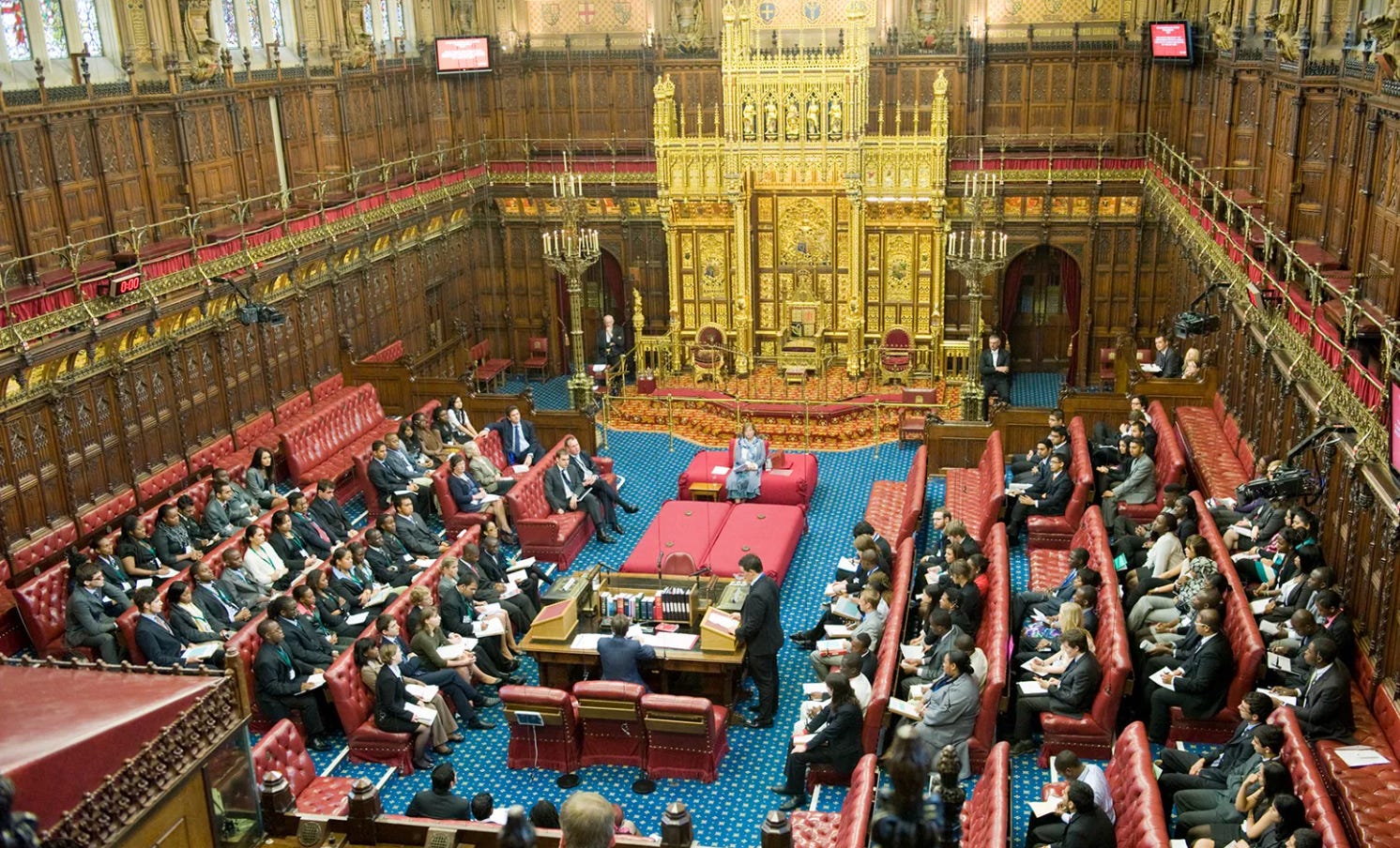
Still, I am a fan of the House of Lords, although I must admit that I am not very loyal. When I first arrived in London as a correspondent for Het Financieele Dagblad, I often had appointments in London that were timed a few hours apart. Frequently, I used those hours to take a walk and find a blue plaque to learn about the city’s history.
When it rained, and that happened regularly, I would go to the House of Lords and follow one of the debates. It didn’t matter to me what it was about. The Lords and Ladies who spoke had something interesting to say about whatever came up. It was not a debate; no one tried to outdo one another. They shared their life wisdom.
At some point, I became more efficient at making appointments - or I got to know which appointments were really worth the trouble. In any case, it meant that I walked around London less frequently and also visited the House of Lords less often.
This Friday, I was there for well over an hour to follow the discussion on euthanasia. It is a politically sensitive subject. The interventions were more ideological than I remembered. Moreover, they meandered from one amendment to the next, so I often couldn’t make heads or tails of it.
It all seems to be part of a strategy to torpedo the legislation. It was a bit like American senators pontificating for hours if they don’t like certain legislation. At least here there is a ten-minute speaking limit (that everyone had to be reminded about) but then again, there are only a hundred senators in the US Senate.
Of course it was fascinating. But still not as fascinating as the question I heard a tour guide ask a school class. It was in the hall that connects the old Palace of Westminster, where King Charles I was sentenced to death and Queen Elizabeth lay in state, with the Houses of Parliament.
She pointed at the tiles on the floor and asked the children if they saw a difference in them. “Yes,” answered a girl. “Here the lions have their eyes open and there they have them closed.” “That’s exactly right,” replied the tour guide, “do you know why that is?” The girl had no idea.
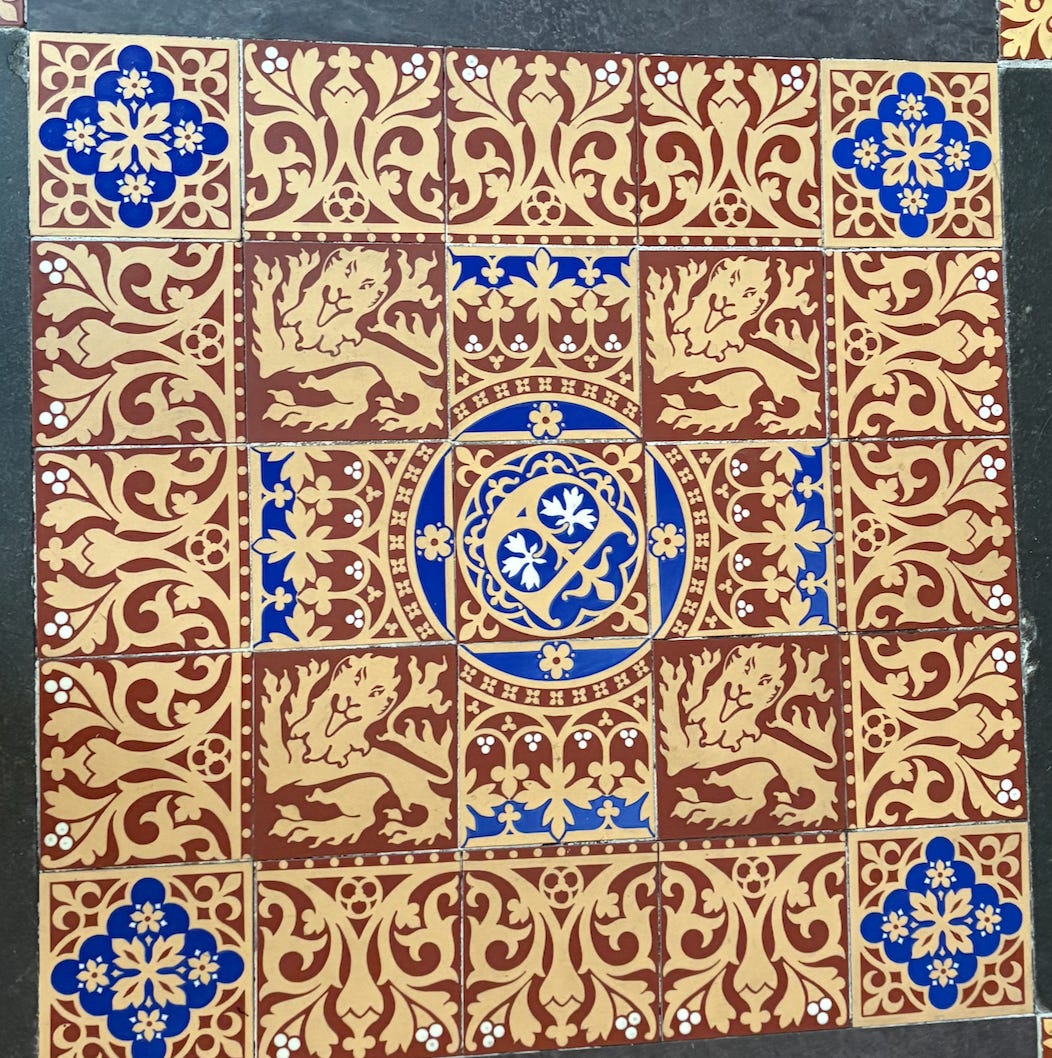
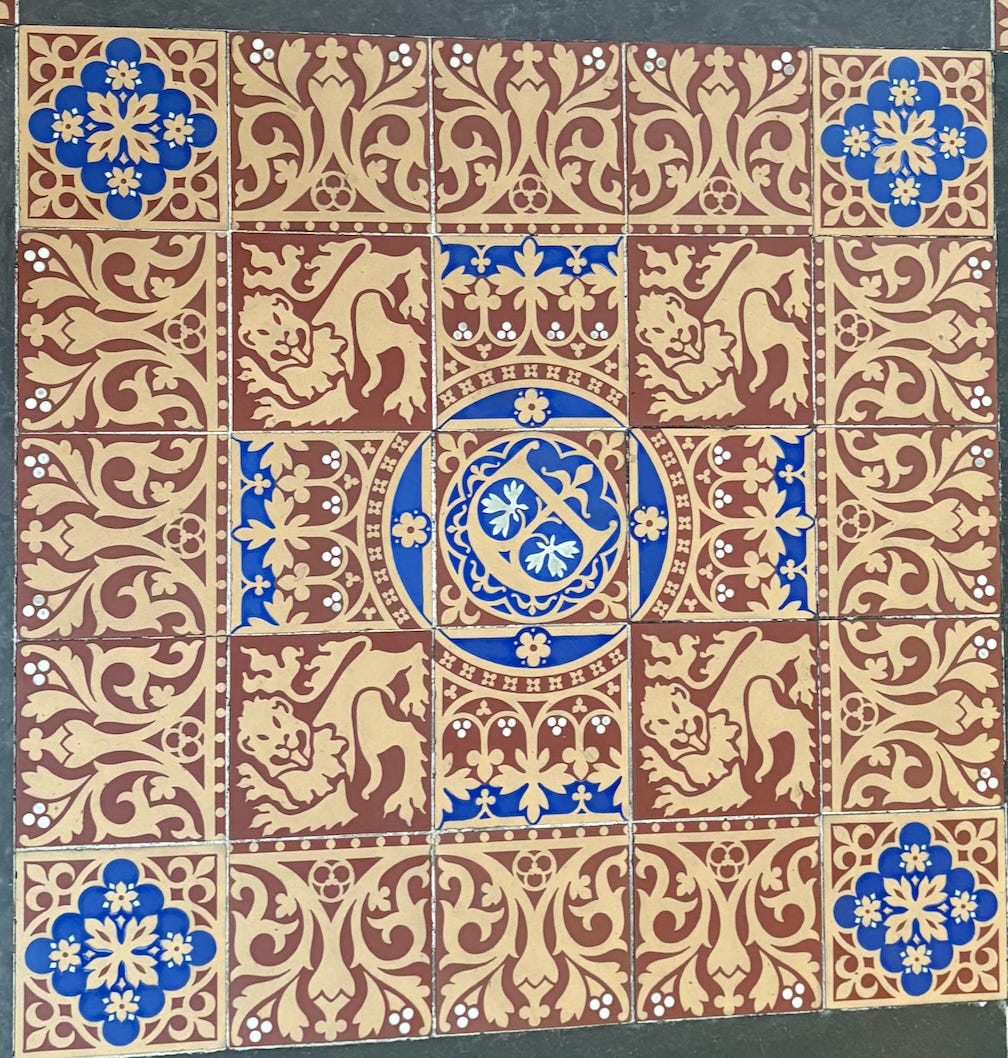
“The middle of the hall was an area reserved for women. The lions with closed eyes are on those tiles so the lions couldn’t look up the women’s skirts.” The teenagers thought it was wonderful. So discreet. The noble Lords and Ladies in the House of Lords could learn a thing or two from that.