
A snob
6 june, 1984

On this day, Alan Clark has a dinner date with Charles Douglas-Home, a cousin of the former Prime Minister and the editor-in-chief of The Times. Clark is surprised by the fact that Douglas-Home is constantly interrupted by newspaper staff. The editor-in-chief has to constantly approve articles and sometimes make slight changes. “Never a quiet evening,” Clark sighs. “It is worse than a stampeding herd of cows.”
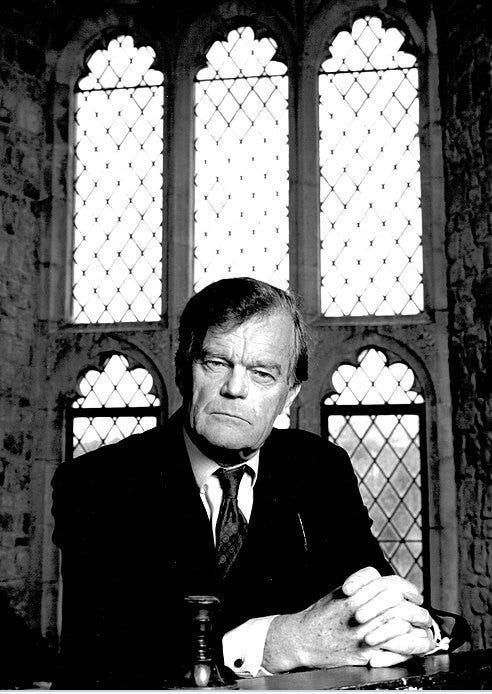
Alan Clark never actually worked. Nor did he have to. Most people know that he was the son of Kenneth Clark, best known for his book Civilisation, which was also made into a very successful television series. In it, Kenneth Clark explains in a highly idiosyncratic way—a character trait his son inherited from him—how Western civilisation developed.
But Kenneth Clark, a prominent art historian and art collector, did not have to work for his money either. It had been earned by his grandfather, a successful textile manufacturer from Paisley. At the beginning of the twentieth century, the family fortune consisted of several billion pounds in today’s money. No wonder Aklan Clark later sighed in his conversation with Douglas-Home: ‘How awful to be worried about one’s pension’.
The most serious work Clark undertook during his lifetime was writing two military monographs on battles in the First and Second World Wars. But even those were controversial. In *Donkeys*, about the fighting on the Western Front in the First World War, Clark describes the failure of the British generals. The soldiers, characterized by Clark as lions, were led by a group of donkeys, hence the title of the book.
Although the book was successful, many historians felt there was an idiosyncratic—there’s that word again—interpretation of the sources. This was certainly true of the statement about lions led by donkeys, which he attributed to the German General Erich Ludendorf. Clark later admitted he invented it himself.
Clark also viewed his political career, with nearly six years as Undersecretary of State, primarily as entertainment. He devoted considerable time daily to maintaining his dissolute love life and writing his masterful diaries.
His attitude towards politics is reminiscent of that of Boris Johnson. Like Clark, the latter had attended the elite boarding school Eton, was fired early in his career as a journalist at The Times for fabricating quotes, and was (although Johnson’s current columns are far too long and virtually unreadable) a gifted writer.
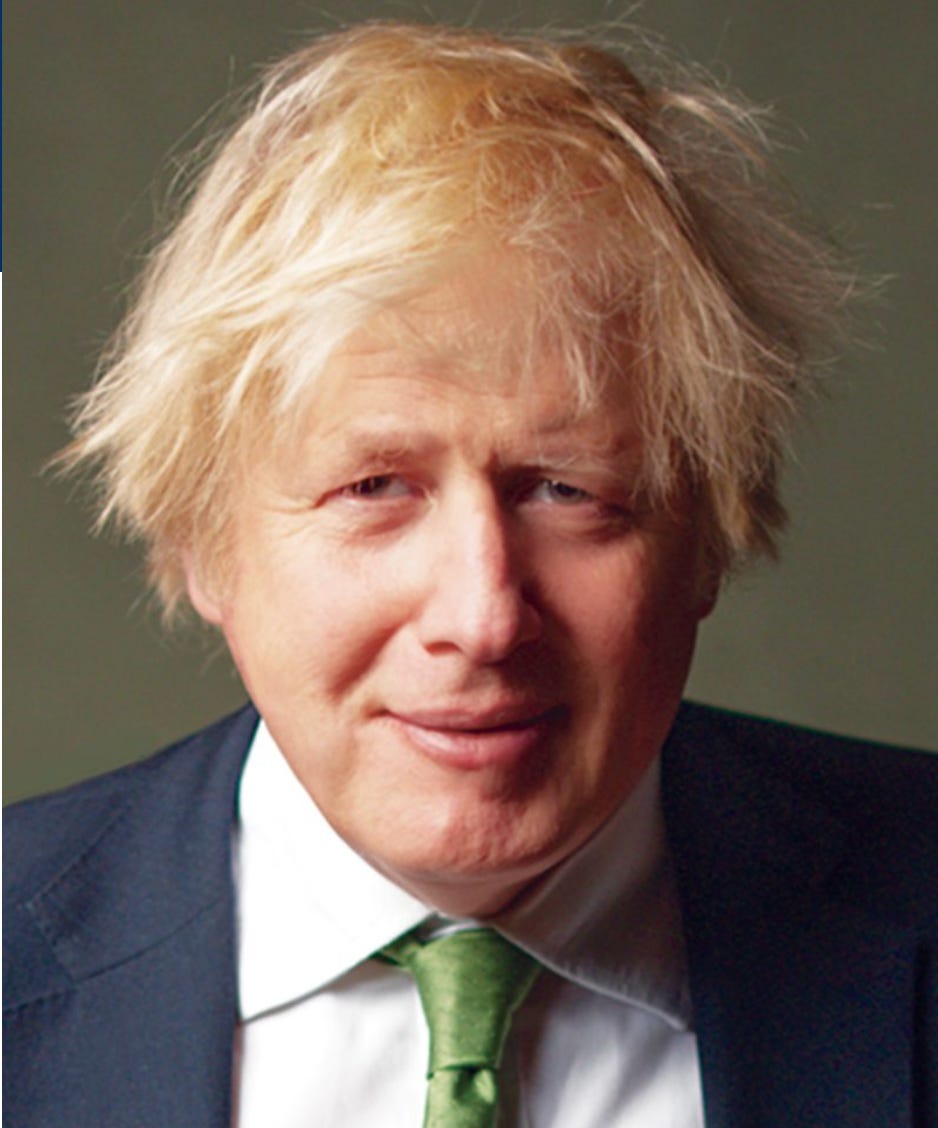
There are differences, of course. Johnson had constant money problems, whereas Clark never had to worry about that. Clark, on the other hand, was hardly taken seriously within the Conservative Party. It was different for Johnson. He rose to the position of Prime Minister, whereas Clark remained merely a State Secretary. Both of them made a mess of their jobs. That is how it goes with snobs.