
Fleeting romance

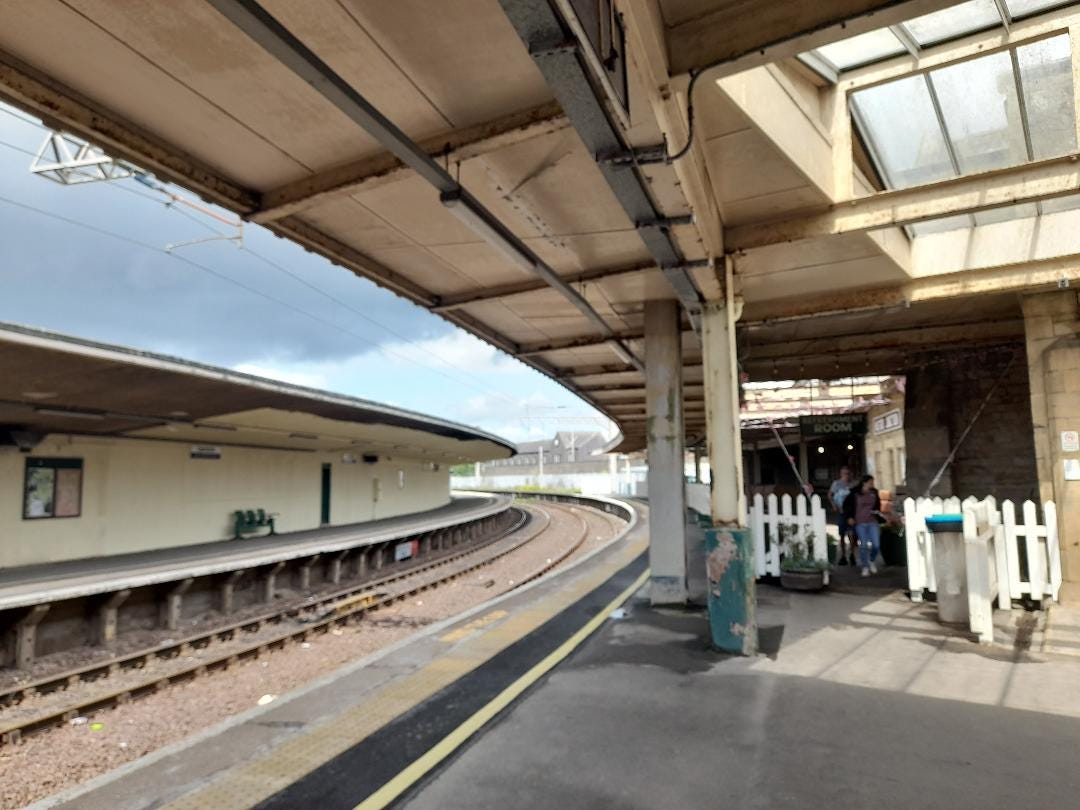
The smallest cinema in England is at Carnforth station, in the far north-west of the country near the Lake District. Only one film is shown there, Brief Encounter, Sir David Lean's 1945 romantic drama starring Celia Johnson and Trevor Howard. It is the story of two married strangers who, after a chance meeting in a railway station restaurant, embark on a brief but intensely emotional, but hopeless, affair that turns their lives upside down.
That station is Carnforth, although it’s called Milford Junction in the film. Initially Watford was chosen as the setting, but with the Second World War still raging, the Secretary of State for War felt it unwise to film near London after dark using bright searchlights, given the possibility of Luftwaffe bombing raids. Carnforth, more than two hundred miles to the north, was considered a safer place for filming Noel Coward’s love story.
The heartbreaking scene in which lovers Alec and Laura say goodbye forever, accompanied by Serge Rachmaninoff’s Piano Concerto No. 2, became a classic in British film history. With some delay, that is. When the film was released at the end of 1945, there was little interest. However a year later, after the rave reviews it received from a screening at the first Cannes Film Festival, it became a ‘box office’ hit. In 1999, it was voted the best British film ever, after The Third Man.
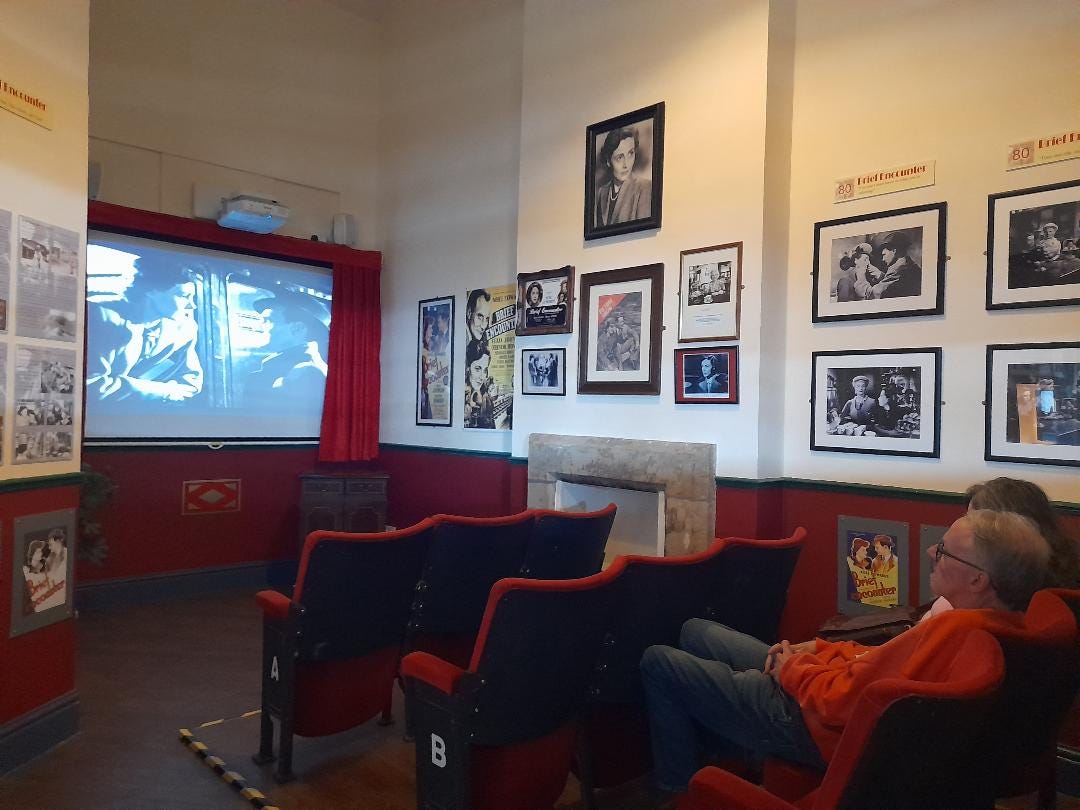
It brought eternal fame to Carnforth Railway Station, Eighty years later, there is a permanent exhibition on display, complete with a nine-seat cinema. In addition to the black-and-white film, an interview with Lean, who died in 1991, is being shown in an adjacent room. After Brief Encounter, he went on to make Lawrence of Arabia, Doctor Zhivago and A Passage to India. Typewriters, gramophones, suitcases, gas masks and antique telephones are also in the museum. A statue of Winston Churchill stands in the Refreshment Room.
The guest book is a hymn of praise. ‘Excellent exhibition - very nostalgic,’ is one comment left by Mark and Maxine from Bamber Brioge, Lancashire. But Bob and Maureen Davison from Spennymoor point out that there’s a missing ingredient in this trip down memory lane. ‘Great! Pity about the missing clock.’ Indeed, where is the famous clock that played such a prominent role in the film and that visitors want to pose under?
I ask Robin. The retired railway worker was instrumental in the creation of the Heritage Centre over two decades ago when the site was destined to become a supermarket. He explained that the clock was bought four years ago by a millionaire railway enthusiast, Alan Smith, with the intention of restoring it. ‘He passed away, and his son Michael, who lives in Guernsey, is demanding money to give it back. It’s money we don’t have. Unfortunately, I think we’ll have to make do with a replica in the future.
 | A guest post by
|