
Football History

The FA Cup, the oldest cup competition in the world, brought me to the oldest football ground in English professional football, the Football League. Football has been played at Field Mill in Mansfield since the early 1860s, and according to one source, even since 1850. “Factory Field” refers to a large, stone-built textile factory with its own mill pond. The River Maun provided the water power for the mill, which was demolished in 1925.
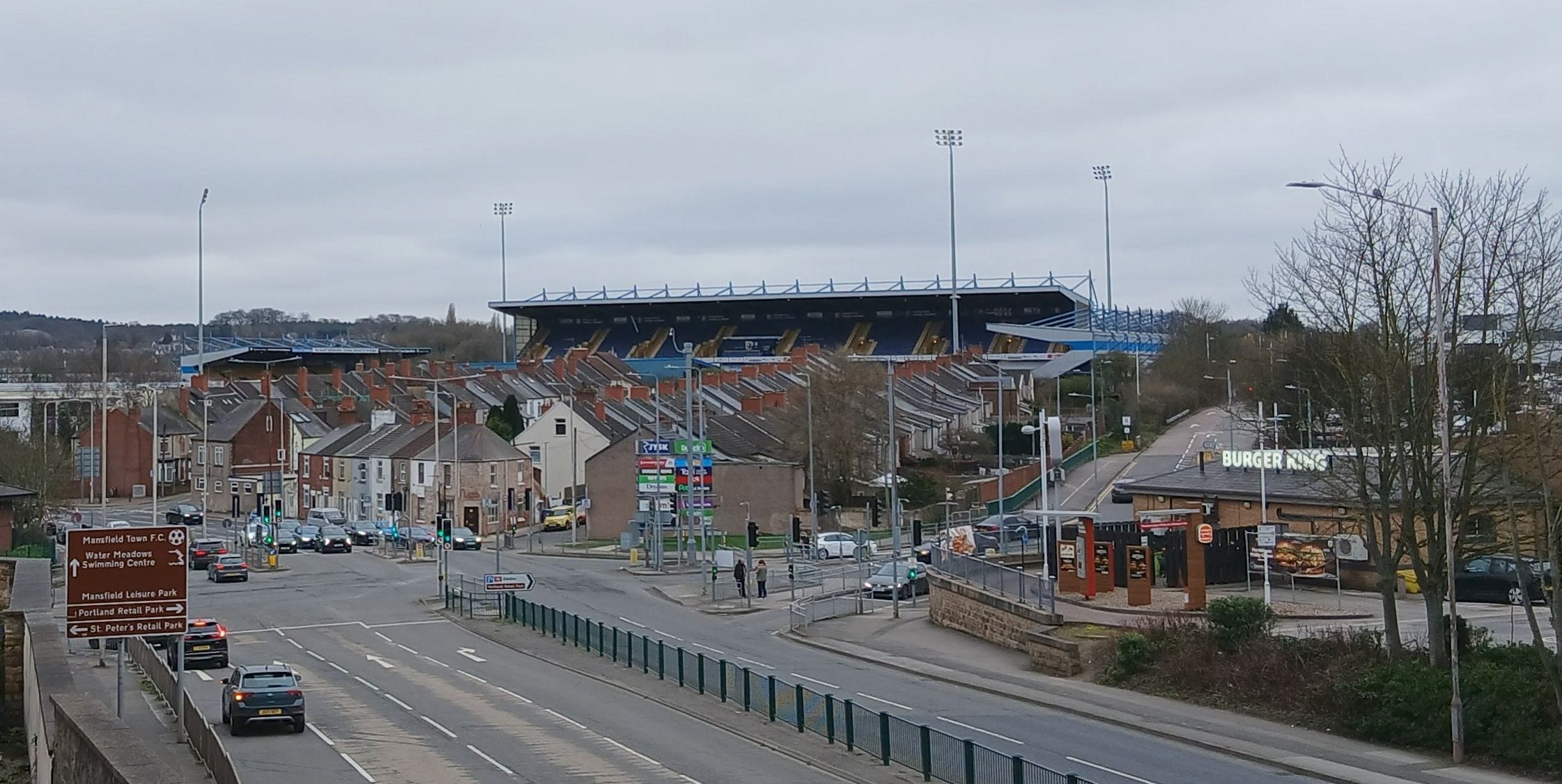
In more ways than one, this part of England is the cradle of football. Mansfield is situated between two major cities, each with its own distinct football history. Sheffield boasts Bramall Lane, the oldest stadium still in use, while Notts County in Nottingham is the oldest football club in the Football League. Moreover, Sheffield FC, founded in October 1857, is officially recognized by FIFA as the oldest independent football club in the world.
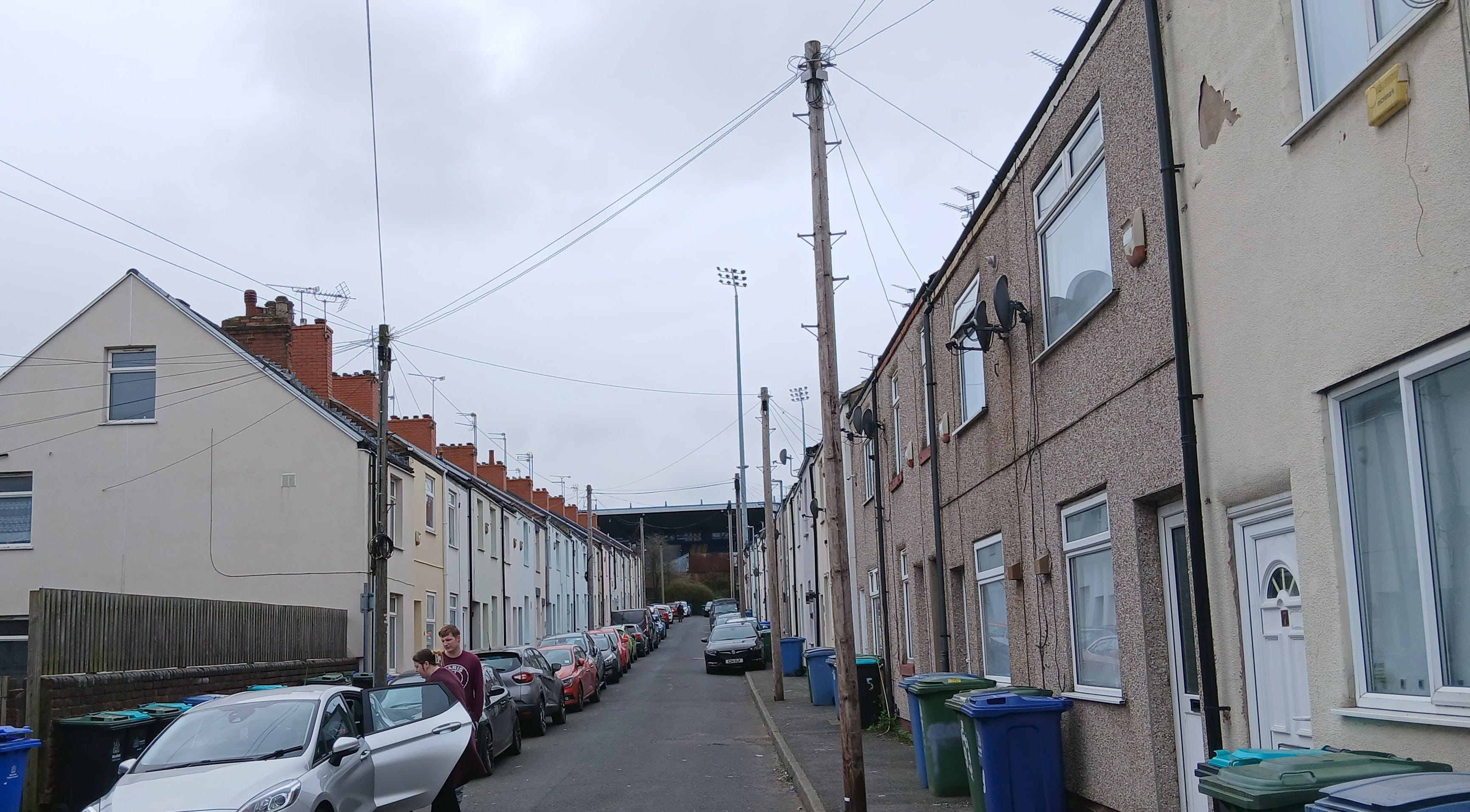
Little remains of its industrial past at Field Mill, a stadium with four traditional floodlights. On the city side of the stadium, there are still some old terraced houses, undoubtedly once occupied by factory workers. Otherwise, it’s home to Mansfield Town, aka The Stags, surrounded by large shops. From high up in the main stand, you can see the hills surrounding Mansfield, possibly hills composed of mining debris.
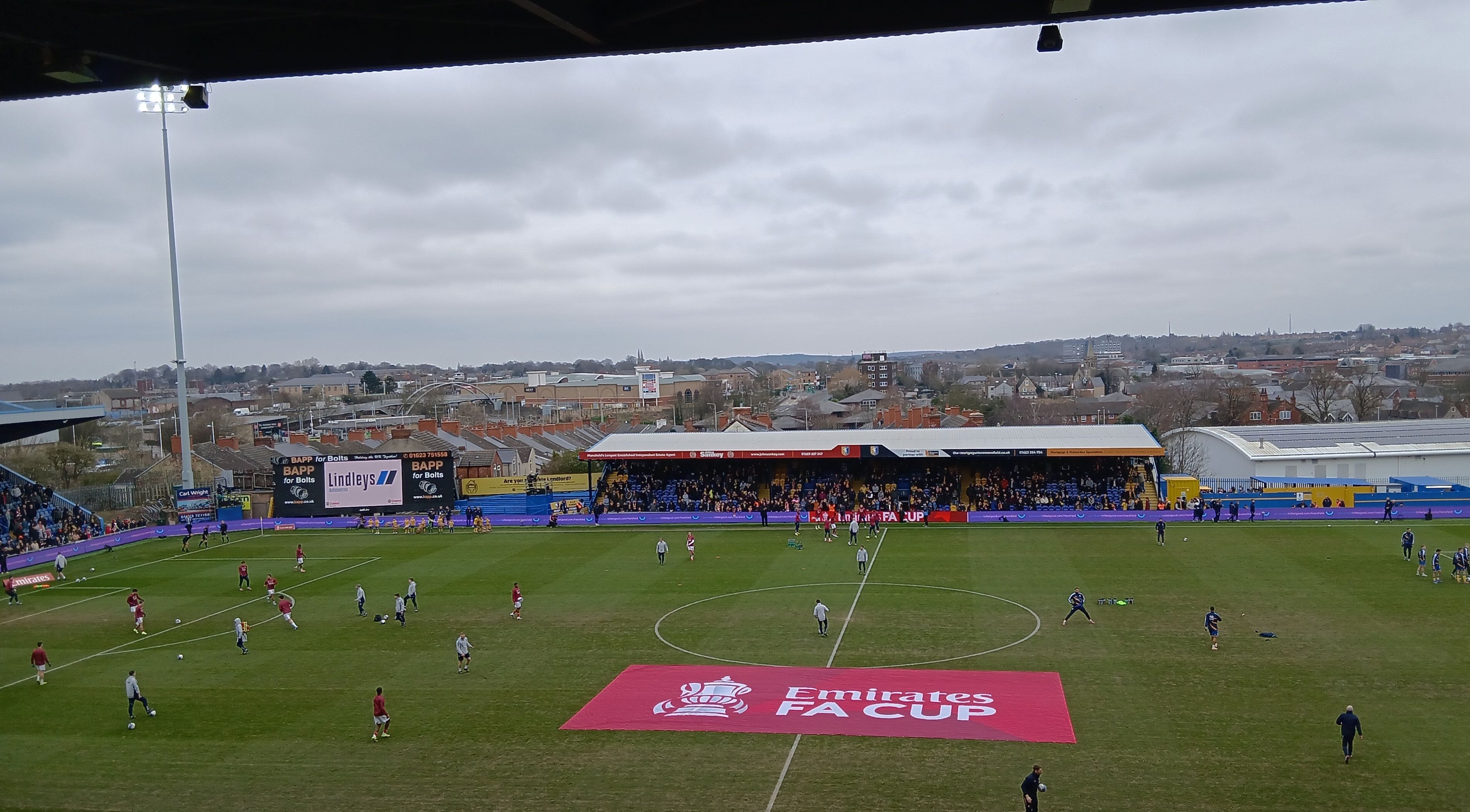
On the pitch, Mansfield Town, founded by renowned theologian and preacher John Wesley (founder of the Methodists), easily kept pace with the mighty Arsenal. The defeat against the Gunners was limited to 1-2. The town was completely captivated by the visit of Europe’s best football team, as evidenced by the shop window decorations. Mansfield is a bit of a forgotten place. In fact, for a long time it was the largest English town without a railway station.
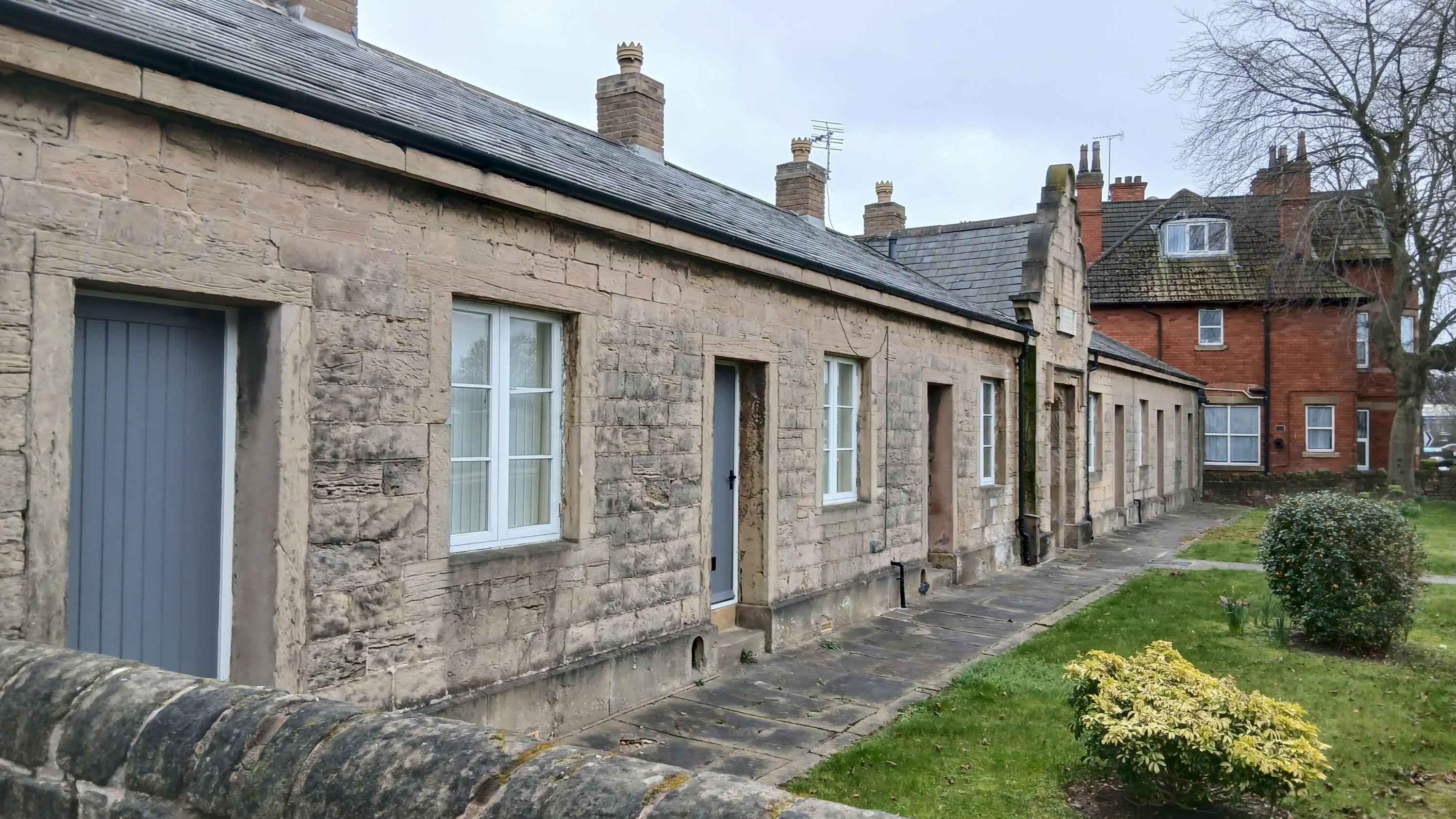
On my way from the stadium to the station, a ten-minute walk, I saw something beautiful emerge from the dilapidated houses, supermarkets, and bushes where plastic bottles seemed to grow. Along a busy road stood six beautiful almshouses. These almshouses, according to a plaque on their facades, were built by Charles Lindley from the estate of Elizabeth Heath, a wealthy Quaker. They were built in 1844. A few years later, the poor residents had a perfect view of the football matches.
 | A guest post by
|