
Heavenly Ship

Anyone visiting a city in England for the first time, a Dutch correspondent once proclaimed, really must do three things: go to a pub, visit a city museum, and go to a church or cathedral. In my case, there is a fourth attraction: the football stadium. Foremost, however, is a cathedral. England has numerous magnificent examples, such as in Ely, Durham, and Lincoln, all described in the fine book Ships of Heaven.
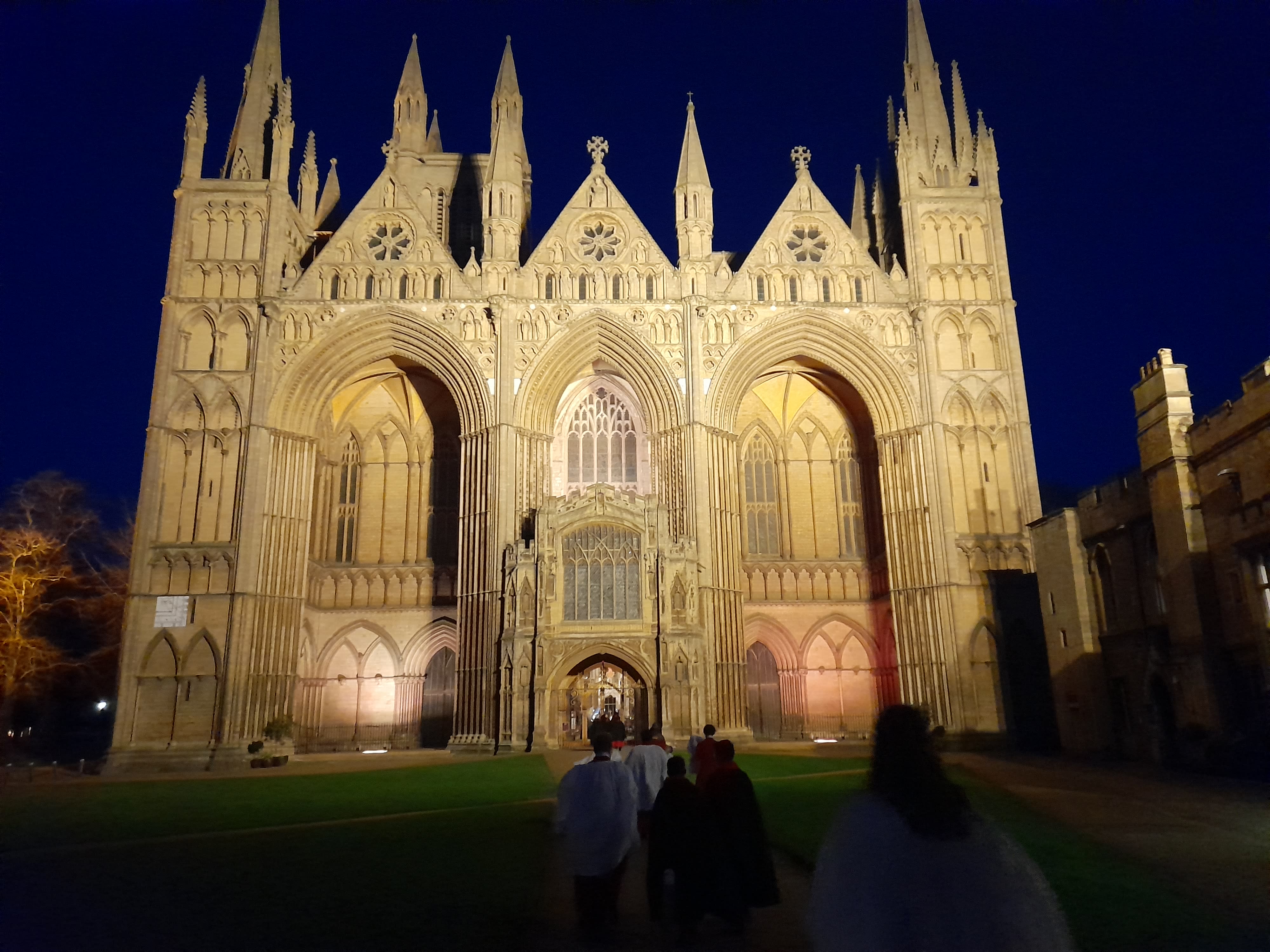
One example is the beautiful heavenly ship sailing in the county of Cambridgeshire in Peterborough, Cambridge’s poorer little brother. The Cathedral of Saints Peter, Paul, and Andrew is one of the most magnificent Anglo-Norman buildings in Europe. It was originally founded as a Benedictine monastery in 654 AD. Its current form took shape between 1118 and 1238.
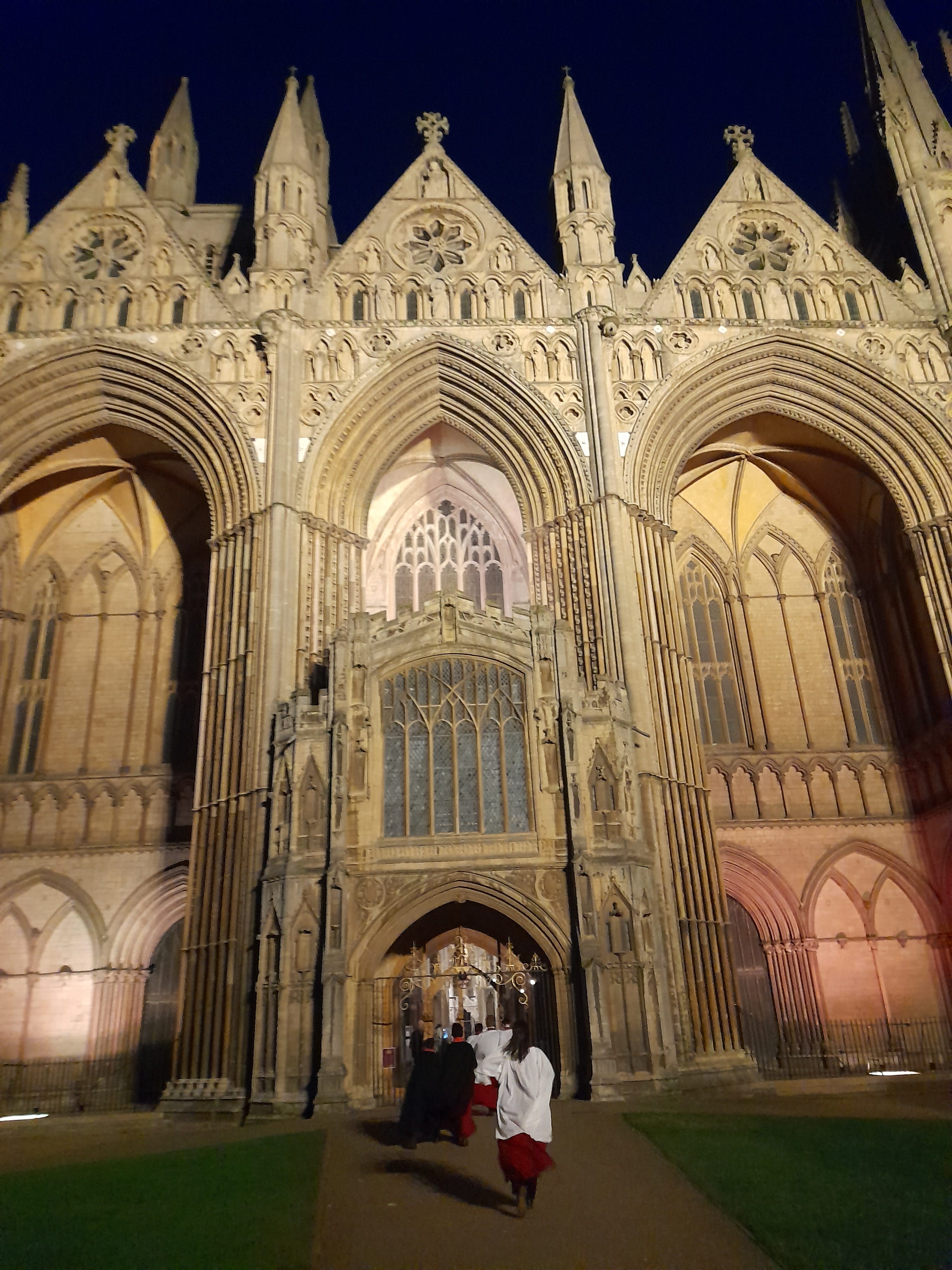
The cathedral is best known for its stunning, massive, three-story early Gothic west facade, a fine example of medieval architecture. Despite its destruction during the Civil War—Cromwell had no use for stained-glass windows—a large part of the 12th-century structure has remained intact. A major highlight is the 13th-century wooden ceiling in the nave, one of only four surviving examples of this type from that period in Europe.
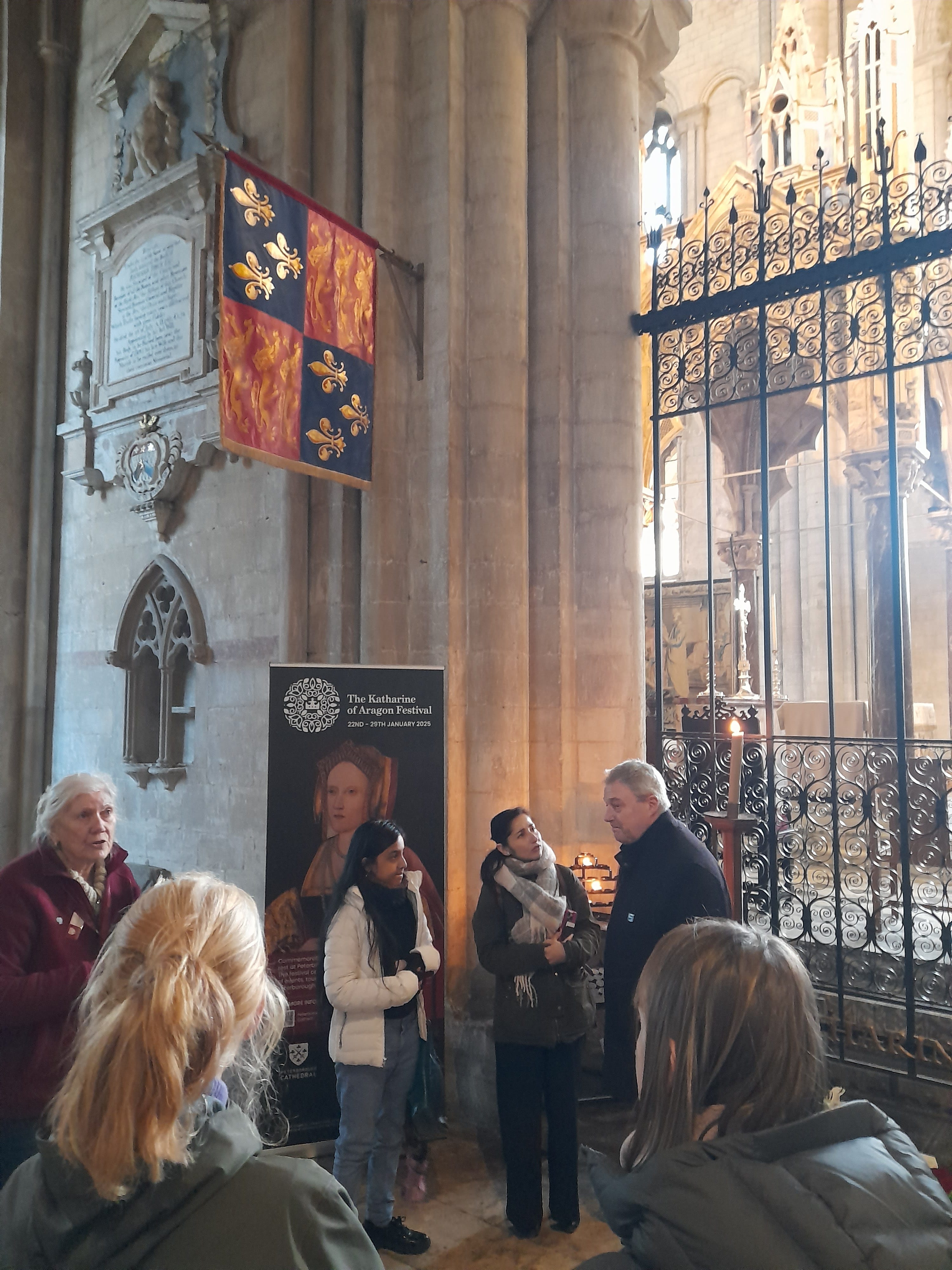
Historically, it is a place of great significance. Catherine of Aragon, the first wife of Henry VIII, was buried here in 1536. Five years later, after the destruction of the monastery, this king elevated the church to a cathedral, thereby ensuring its continued existence. Mary Stuart, Queen of Scotland, was also buried here in 1587 following her bloody execution at Fotheringhay Castle, although her body was later transferred to Westminster Abbey.
 | A guest post by
|