
Kindersley

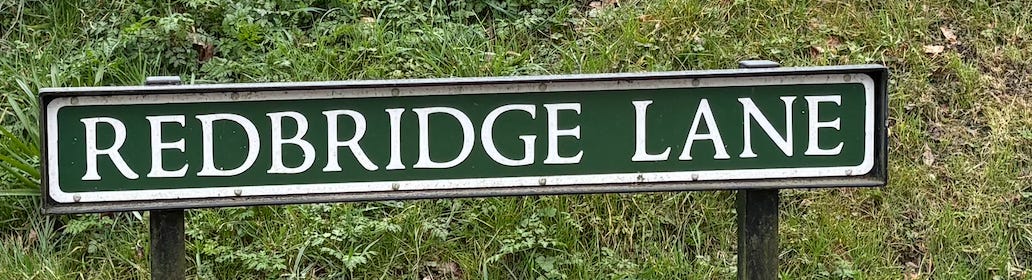
'Hello David', I often hear myself mutter when I see an English street sign. Most of these signs use the font designed by the English letter designer and letter cutter David Kindersley. The 'Kindersley' font is from his hand.
David was already an old man when I got to know him in the fall of 1991. I spent several months in his workshop in Cambridge. My task was to help him organise his life's work and learn a bit more of the language in the process. I fell in love; a little bit with the country, even more with Cambridge, but especially with the woman of my dreams.
Organising David’s 'collected works' entailed rummaging through his archive in the attic. To call it an archive is a bit of a an exaggeration. There were hundreds of rolls of paper in at attic with designs of his work. Many of these were 'rubbings', silhouettes of his stonework made with a pencil or charcoal. They had all been dumped up there, gathering dust for decades. David was around eighty at the time.
My job was to link these designs to preserved correspondence and invoices. These were good times. David enjoyed confronting his own past and was able to remember the most astonishing details about certain clients.
Somewhere in the rolled-up clutter, I came across the original drawings of the ‘Kindersley’typeface. David told me how delighted he was at the time with the lucrative commission from the Ministry of Transport. After all, life as an artist was hard work, and the £150 that the commission brought in at the time was worth its weight in gold in his eyes.
David told me that he owed the commission to his father, who at the time played a prominent role in the Conservative Party. But he primarily talked about the importance of ‘legibility’ in a typeface. In addition to the design, good legibility was mainly due to the amount of ‘white’ around a letter, or the spacing between the letters.
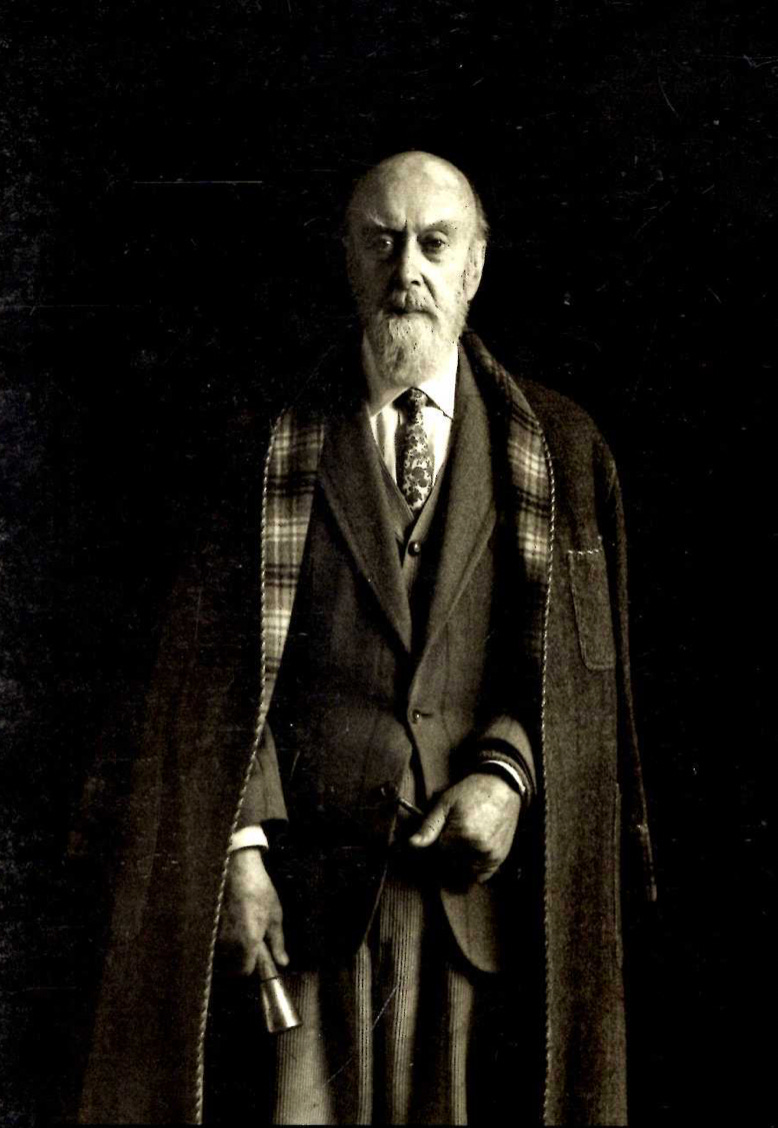
David had lived in Cambridge since the mid-forties. During the week, I took notes and listened to David’s stories. On the weekends, I took away his three young children (from his third marriage) in the car and went looking for places where David’s work could still be found after all these years. David and his wife had some peace and quiet, while I saw a large part of the country. After all, his work hung not only in the Cambridge universities, but also in the cathedrals of Norwich, Canterbury and St. Paul’s in London, to name but a few places.
I look back on that period with pleasure. That is mainly due to the fact that David is partly responsible for my happiness in life. After all, I met my wife Julie at his workshop. Incidentally, she initially thought I was a bit of a weirdo. I strongly suspect that many people also think that when they hear me mumble ‘Hello David’ to a street sign.
How could I not like this story?you ask? The adventure of Joost and my daughter, Julie continue to amaze and delight me!
Love this story Joost!