
Norfolk Broads

At Cantley station, the train called it a day. Plumes of smoke rose from the diesel engine of the Greater Anglia that was supposed to take me from Norwich to Great Yarmouth on a sunny Monday afternoon. The stranded passengers, some with suitcases, stood at the neatly maintained station of the village where the General Sugar Company had opened a factory in 1912. It is one of the many connections between the Netherlands and Norfolk, a wealthy county with a relatively high number of eccentrics. Years ago, the BBC aired the series Normal for Norfolk , about the eccentric gentleman farmer Desmond MacCarthy of Wiveton Hall.
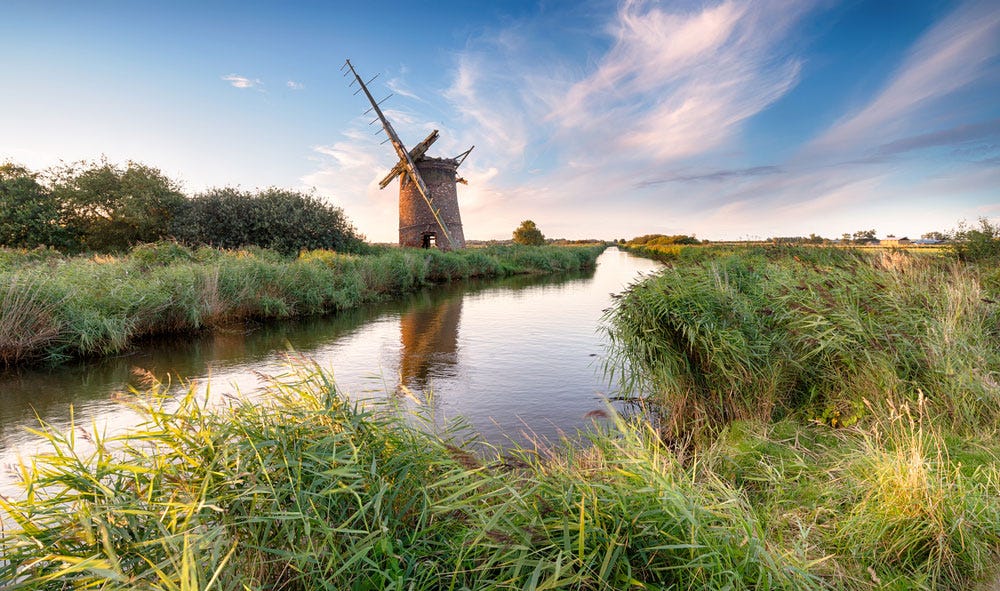
Under the smoke, I had to make a choice: surrender to Greater Anglia by waiting for a solution or continue the journey on my bicycle. I chose freedom. The only other passenger with a bicycle did the same. And so, together with James, an internist, I cycled towards the North Sea coast. On paper, that was an hour, but in reality, it took longer. It was a good opportunity to get to know the Norfolk Broads better, a nature reserve that reminded me of David Bowie. ‘See the mice in their million hordes / From Ibiza to the Norfolk Broads,’ he sang in Life on Mars , about the rapid spread of news in the modern world in 1971.
The Norfolk Broads owe much to Dutch ingenuity. In the 16th and 17th centuries, English landowners sought the help of Dutch engineers and experts. These development workers brought with them their expertise in land management, drainage, and wind-pump technology. They succeeded in controlling water levels and transforming flooded peatlands into productive farmland, the source of Norfolk’s wealth. The Dutch also revolutionised Great Yarmouth by teaching local fishermen how to pickle and preserve herring, the ‘silver treasures’.
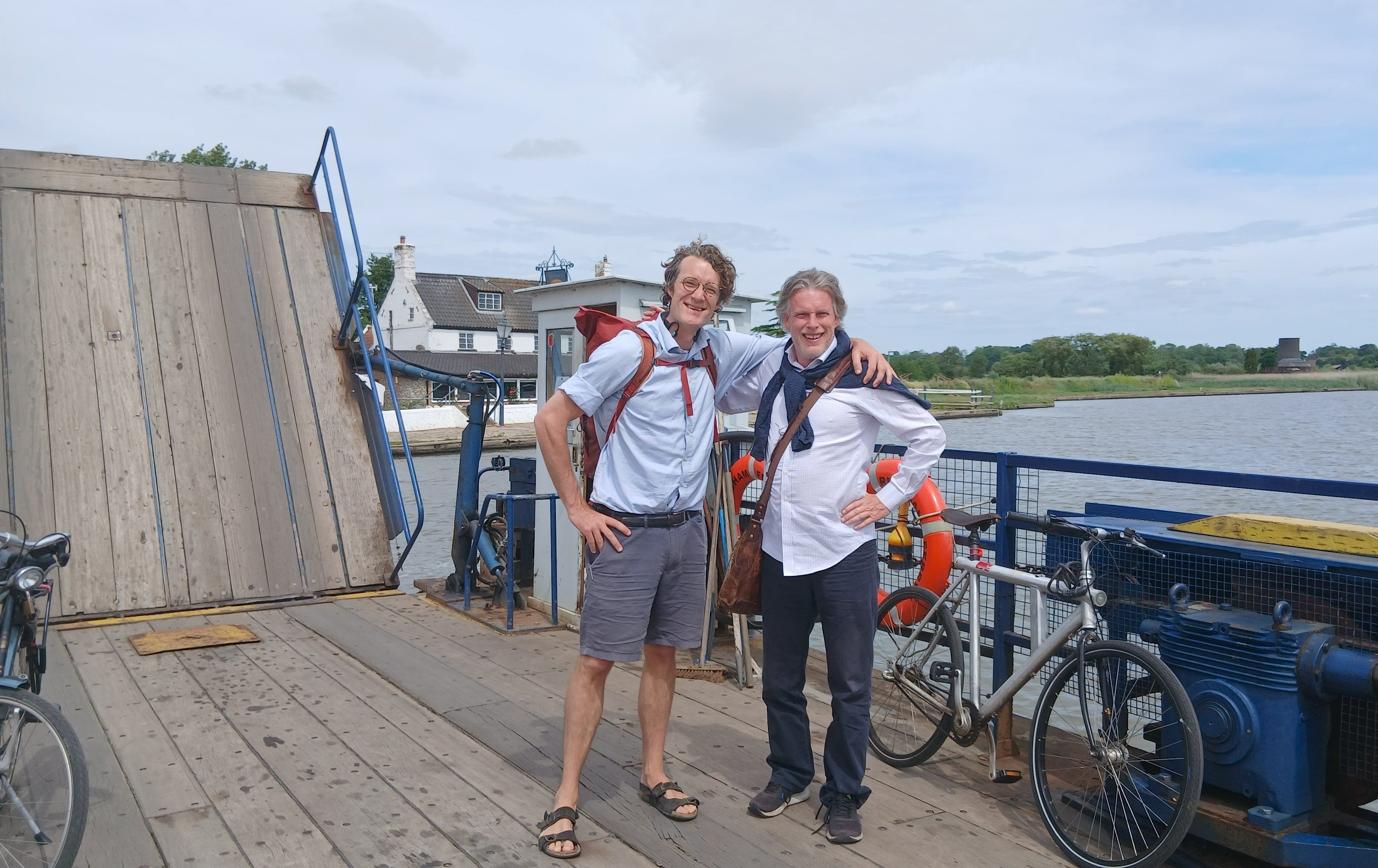
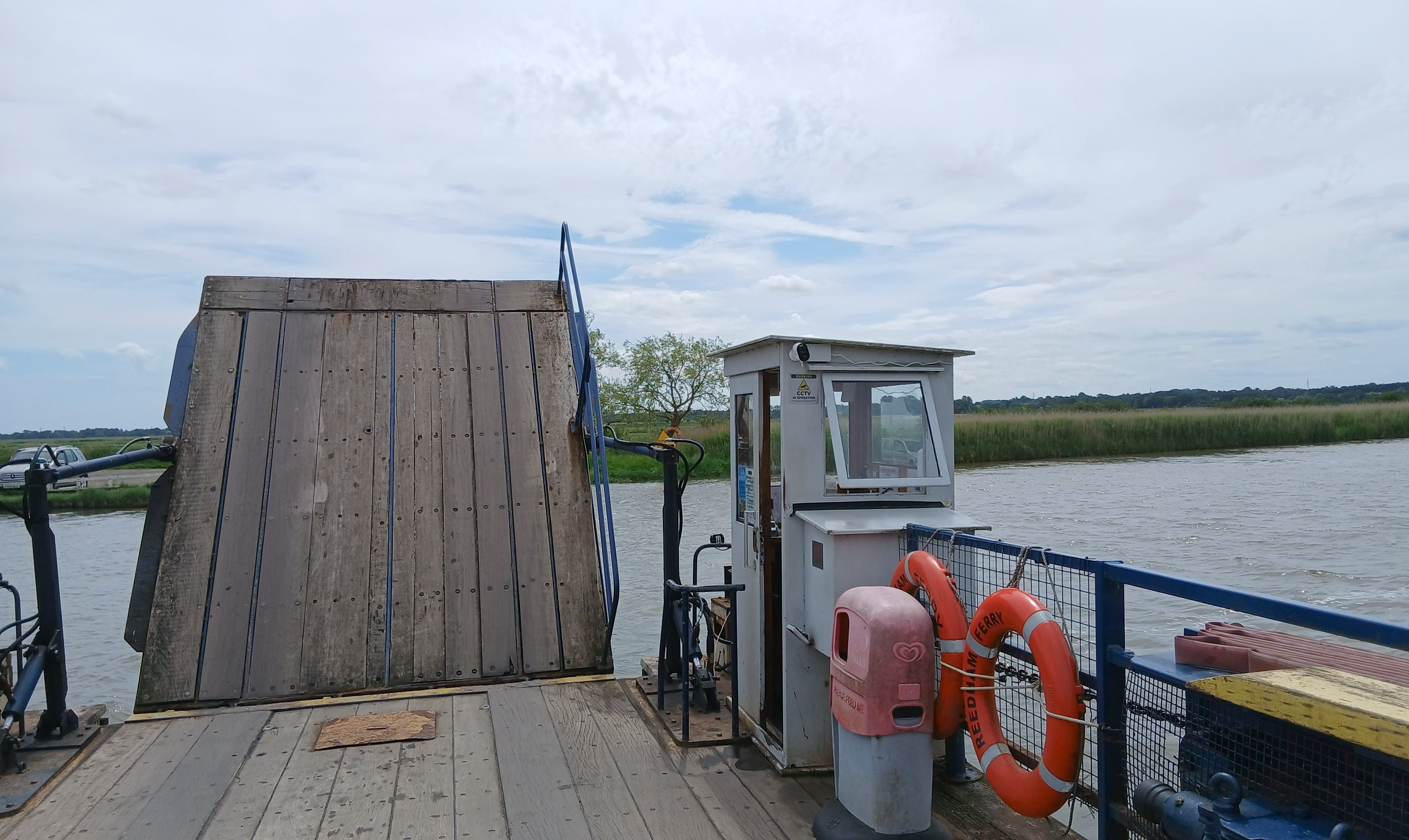
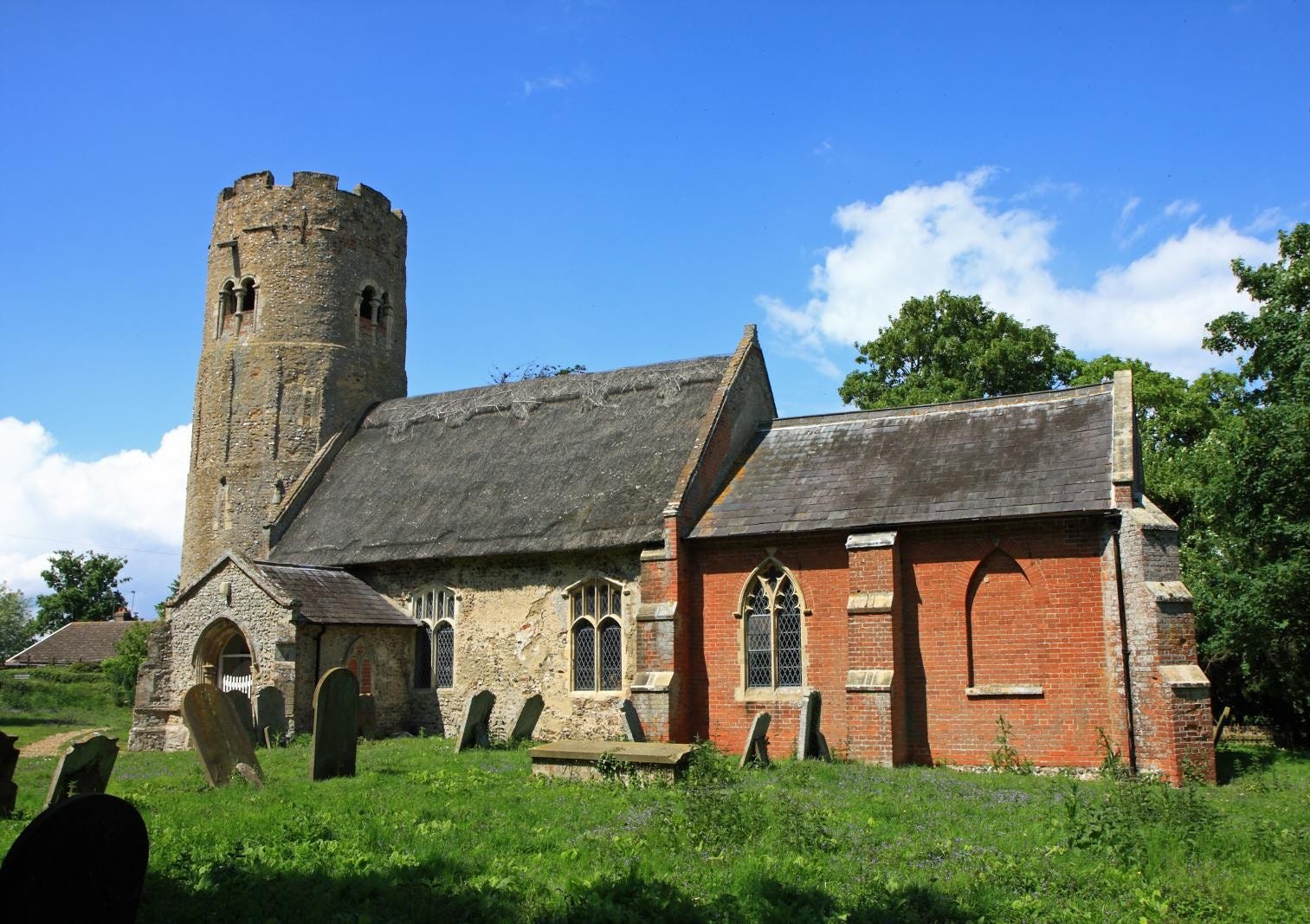
After just fifteen minutes of cycling, we encountered our first obstacle: the Yare, the river from which Yarmouth derives its name. A ferry took us across the ‘Yer’, as the ferryman pronounced it, for a pound (1.50 for those paying electronically). Shortly afterwards, we rode past a characteristic feature of East Anglia: a Saxon or Norman church with a round tower. It turned out to be the twelfth-century St Matthias Church Thorpe-next-Haddiscoe, one of the churches studied by the Round Tower Churches Society. King Charles is the patron of this society, as you’d expect.
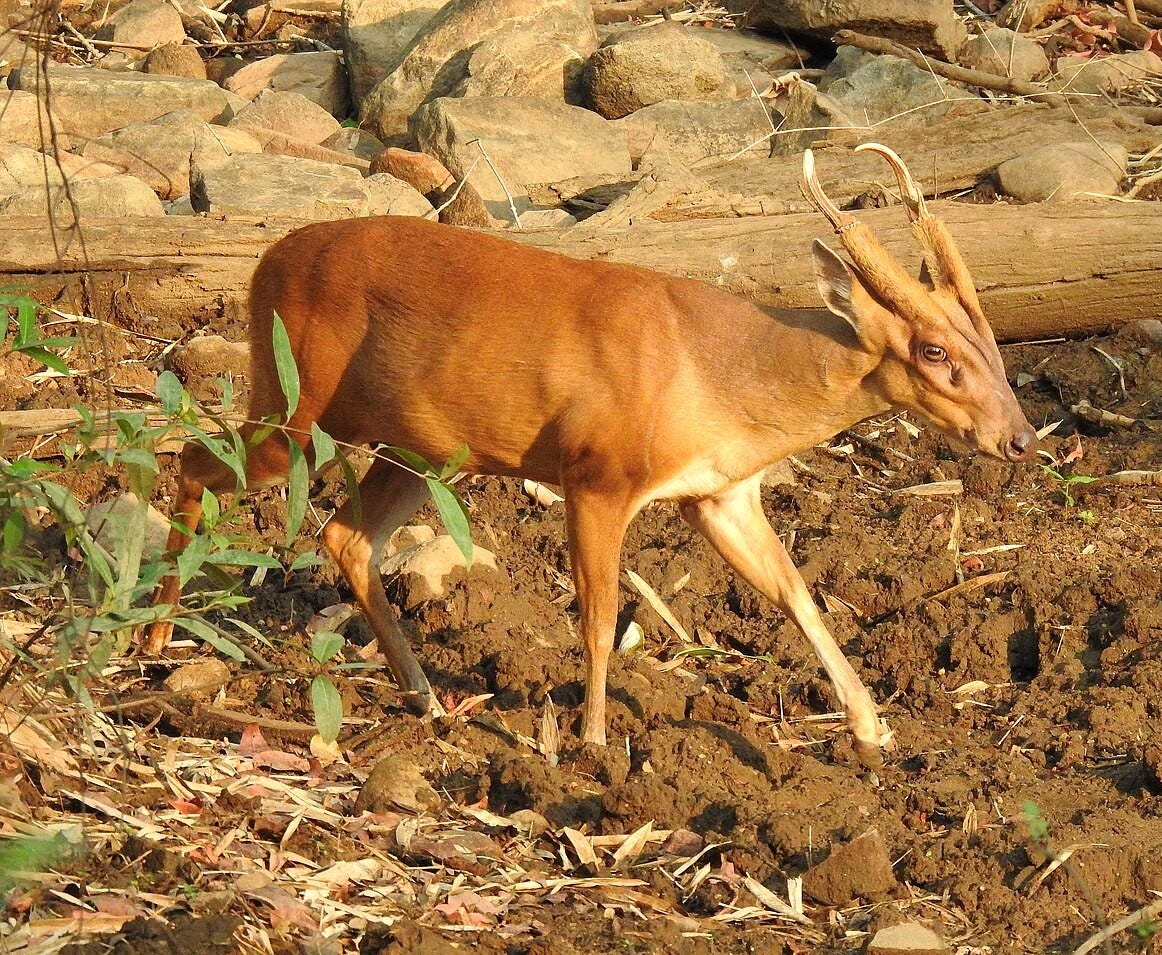
During the journey, which eventually lasted two hours, we saw a marsh harrier and a deer. My learned companion—raised in Cambridge—explained that it was a muntjac, a non-native species originally from China. These deer feed on low scrub and woodland vegetation, damaging bluebells and orchids in the process. It is illegal to release them into the wild. Their presence is thanks to the Duke of Bedford, who introduced this exotic animal to his collection of animals on the Woburn Abbey estate in the late 19th century. Naturally, one of them managed to escape.
From Woburn to the Norfolk Broads….
 | A guest post by
|