
Route 19

London's best bus drivers, so the story goes, drive the route 19 bus. That’s only fitting because route 19 is the most beautiful, or at least most artistic, route in the British capital. It's been written and sung about. "It's cheaper to take the tube to Piccadilly / And then we can catch a nineteen or twenty-two," wrote John Betjeman. "Now, sing, Michael, sing… On the route of the nineteen bus," sang The Clash.
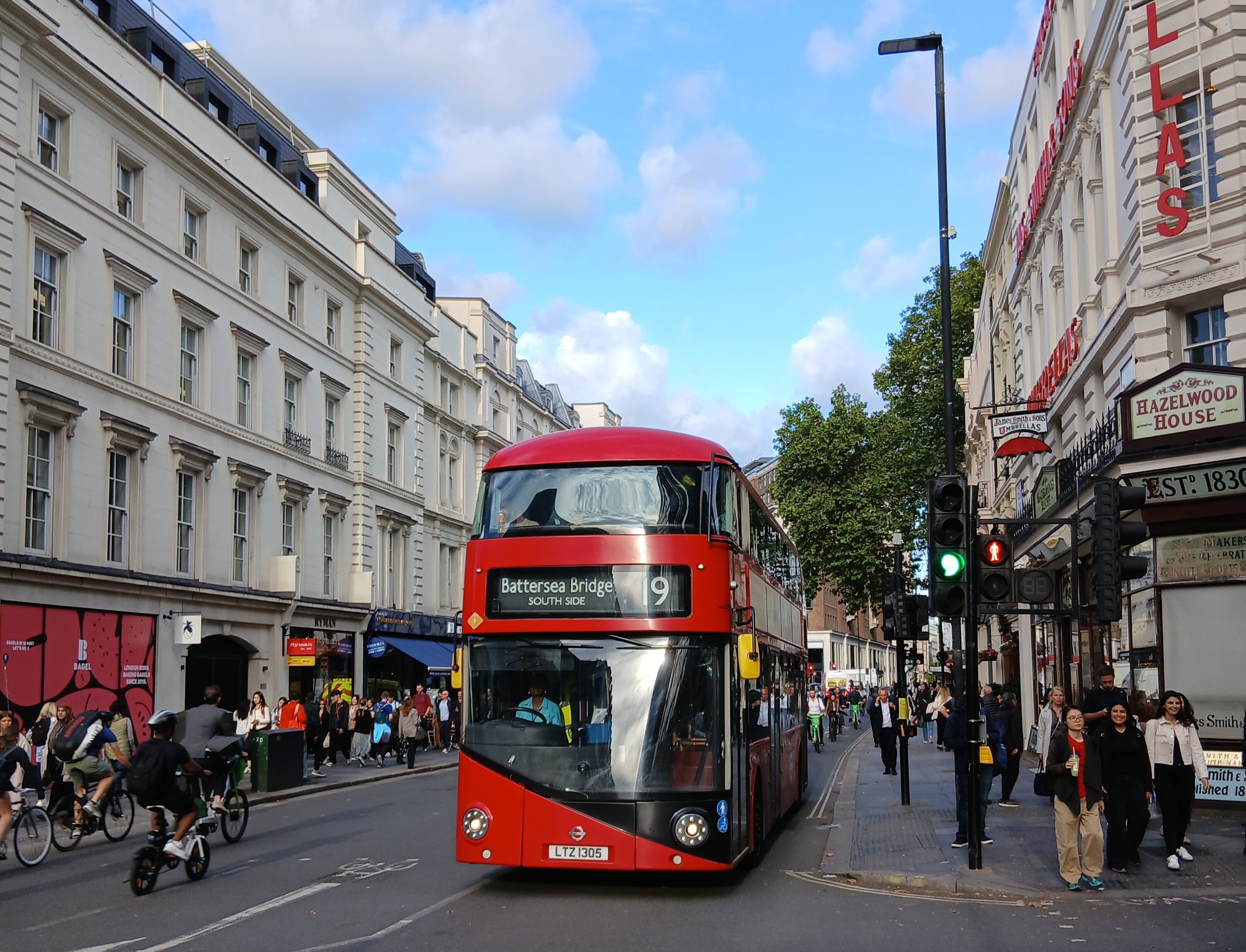
The North London Theatre is one of the attractive stops on the bus route from Finsbury Park to Battersea Bridge (south) and back. Anyone with a ticket for a concert at Sadler's Wells can even ride the bus for free. The journey passes Angel (where Douglas Adams lived), Bloomsbury Square (where Virginia Woolf and her husband made love), Soho (where London's intellectuals got drunk), Piccadilly (where Ho Chi Minh washed the dishes), King's Road (where Mary Quant sold her miniskirts), and Cheyne Wale (where Thomas Carlyle wrote his books).
My friend Adrian frequently took the bus in his teens. "I grew up on it," he recalls, "traveling my squandered youth back and forth between my home in Islington, the pubs of Soho, and the numbing allure of those farther reaches of the King's Road. It's so geographically ripe, such a perfectly mapped-out route through the best and worst of London, and everyone, my darling, seems to have lived or worked along this elegant artery."
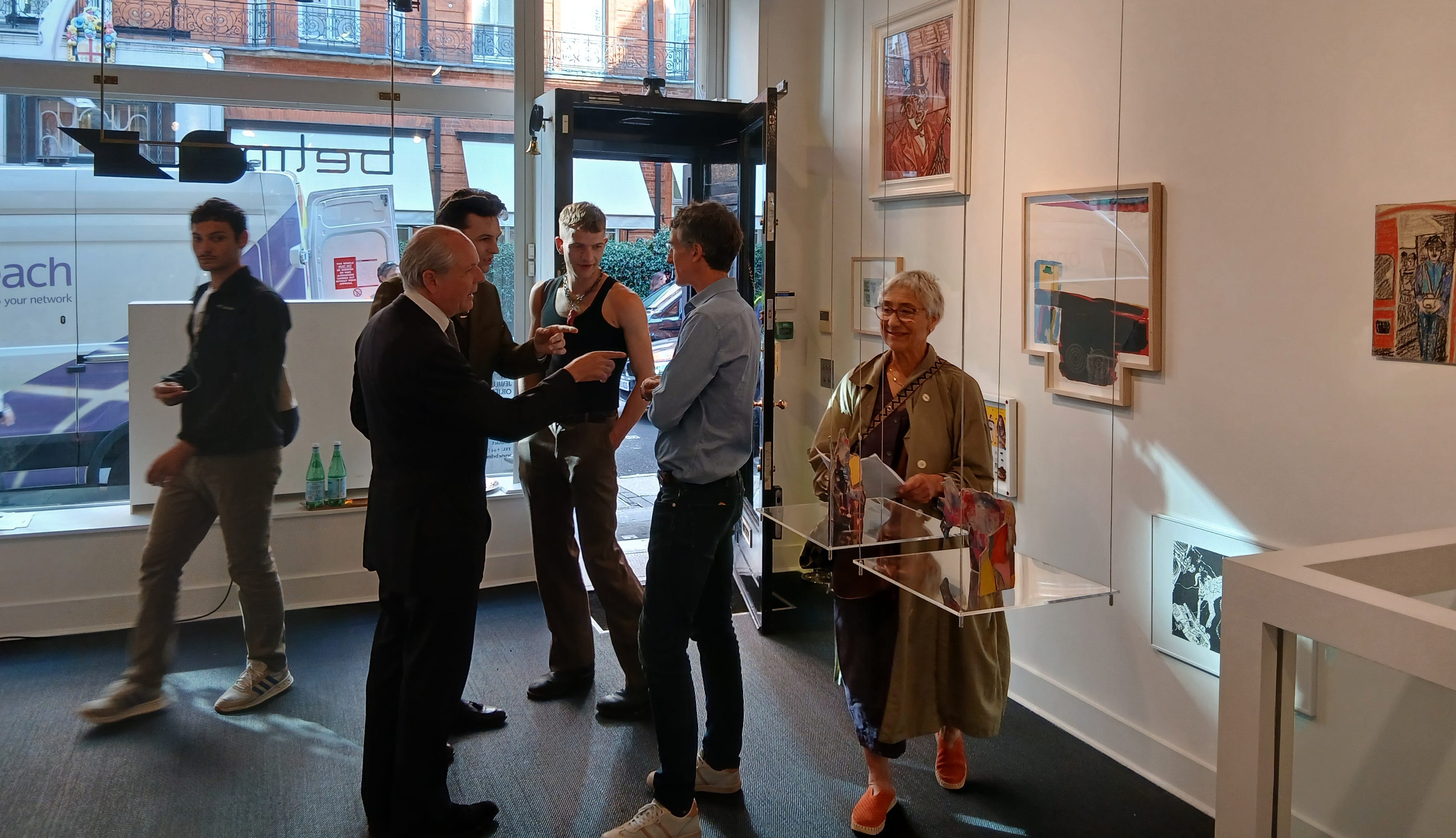
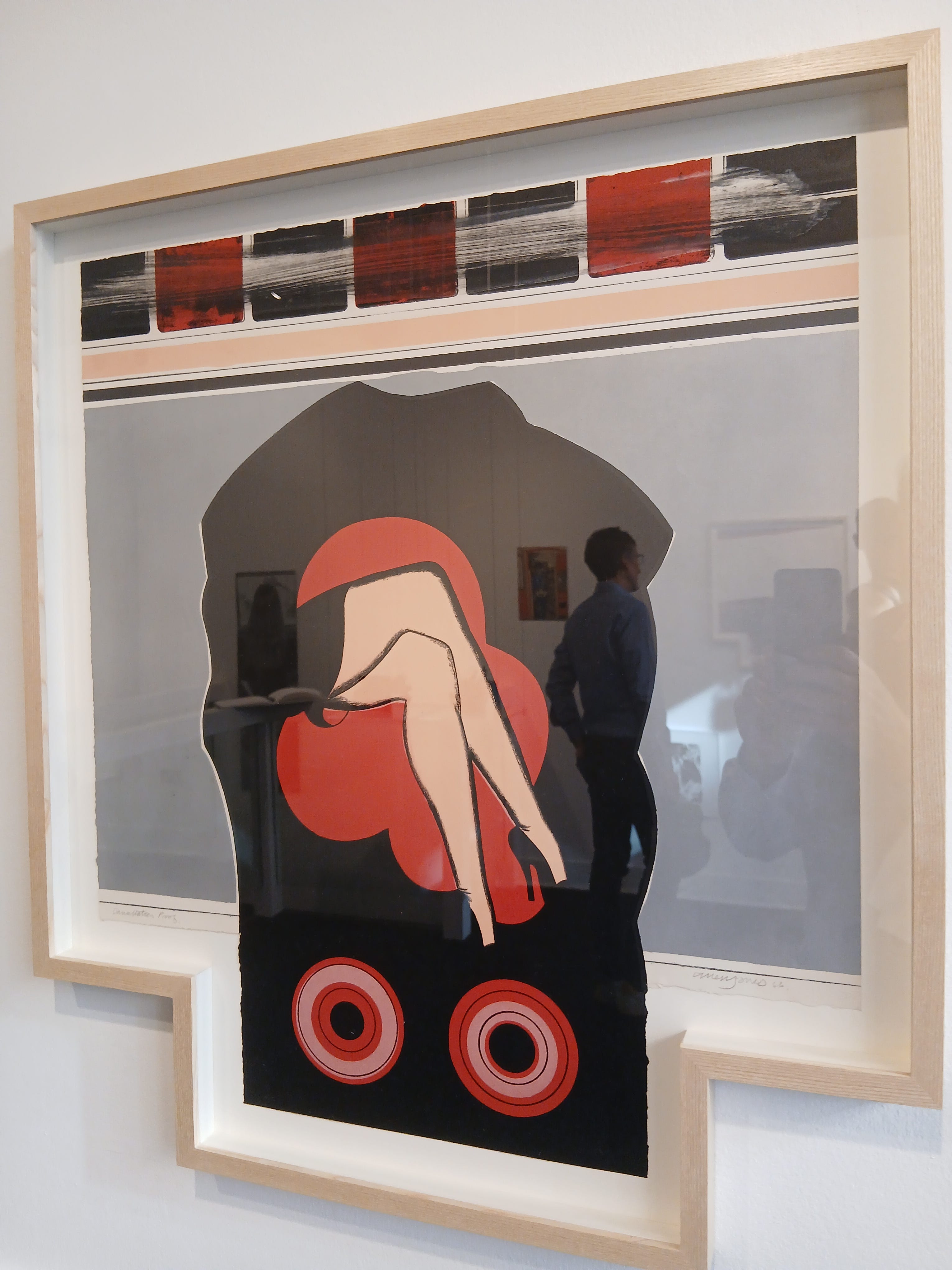
It was Adrian, an art collector, who came up with the idea of organizing an exhibition with Bus 19 as its central theme. That’s why I found myself one recent afternoon at Belmacz's studio, opposite Claridges in Mayfair. Chelsea Buns were on offer - to be washed down with gin and tonic. Artworks by 19 artists, including Grayson Perry, who lives along the route in Islington, are on display between 1 p.m. and 9 p.m. Prices range from £800 to £20,000.
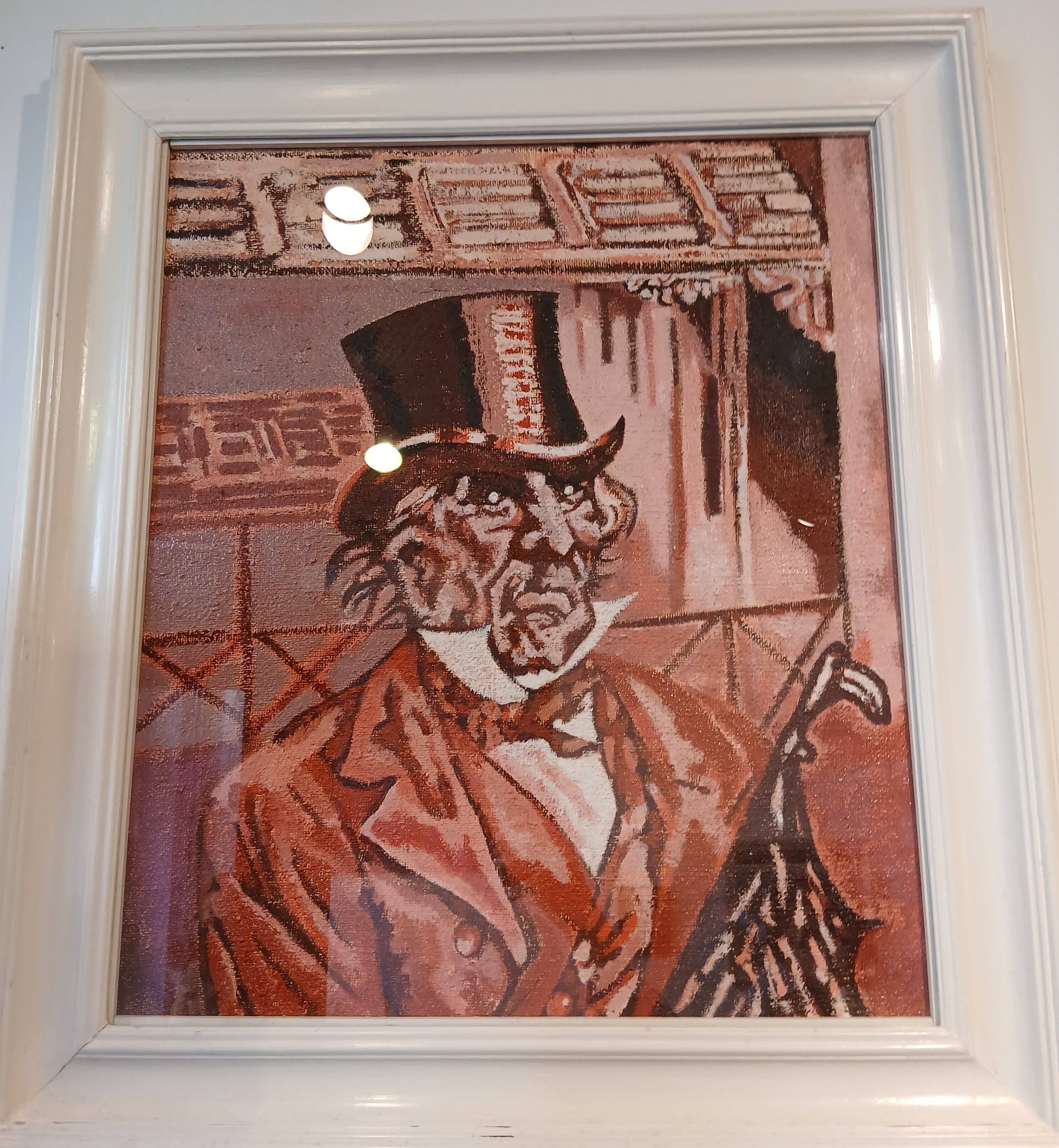
At the entrance hangs a Dickensian painting by Keith Coventry of William Gladstone. During his premiership, he regularly took buses at night (including route 19) to "rescue fallen women." Imagine that in 2025, a prime minister who takes buses. Even the mayor of London avoids the red vacuum cleaners of his city. He prefers travelling in a Range Rover. Despite the fact that his father, an immigrant from Pakistan, was a bus driver -maybe even on route 19.
I speak with artist Magdalena Drwiega, who, like many of her compatriots, has returned to Poland from London. She says life in Poland is better, the country cleaner and safer. But she misses Bus 19. The upper deck, where the city, in her words, unfolds like a living tapestry. For her, Route 19 had become a meditation, an intimate dialogue between herself and the city, about loneliness and collective existence. Her artwork is a wheel, the only conceptual element of the show.
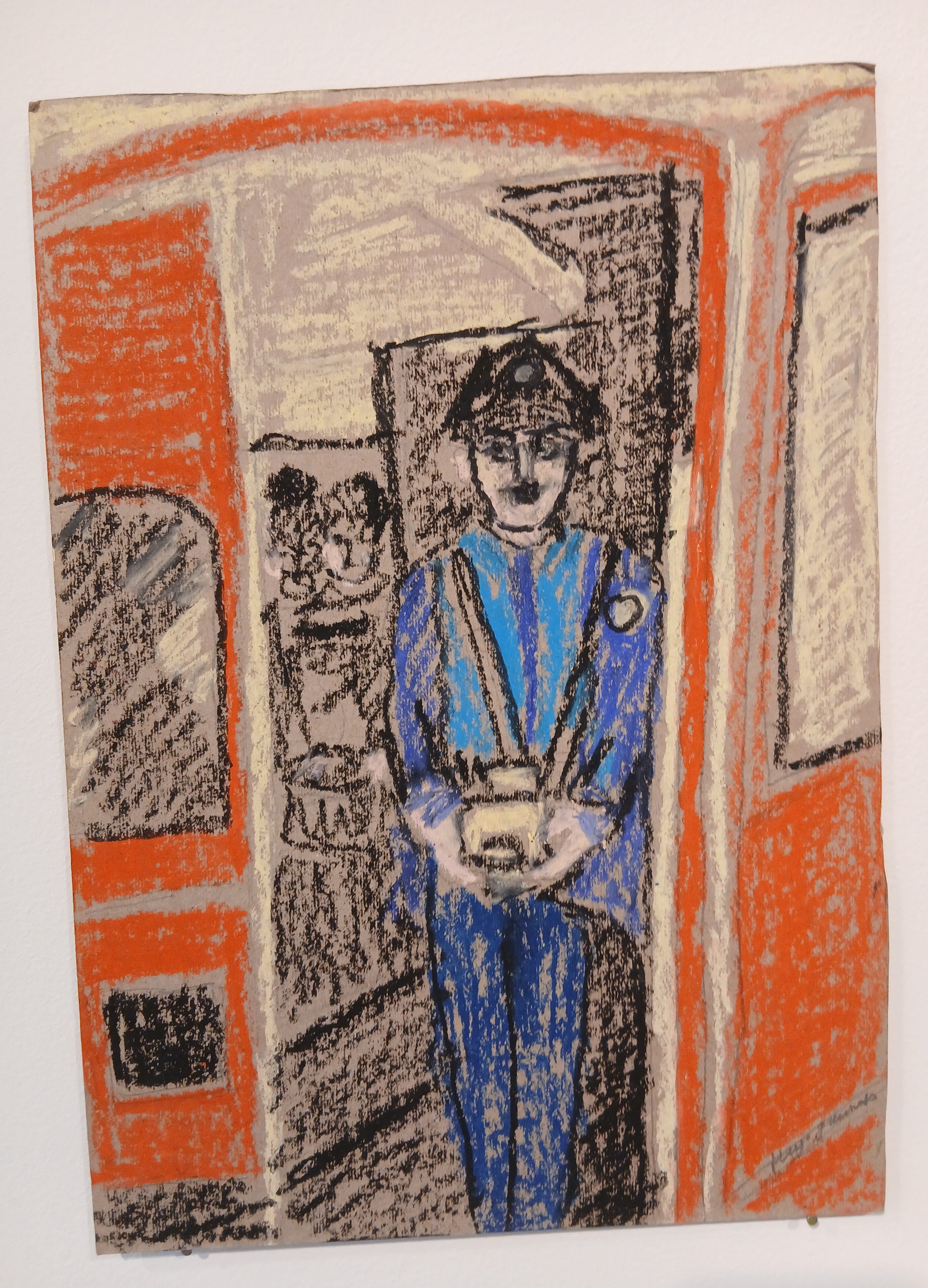
My favorite, however, is a simple painting of a conductor by Hugo Guinness, who lived for years on a side street off the King's Road. The conductor, with his iron ticket machine, is inextricably linked to the Routemaster. This historic bus model had an open rear door that allowed you to get on and off anywhere.
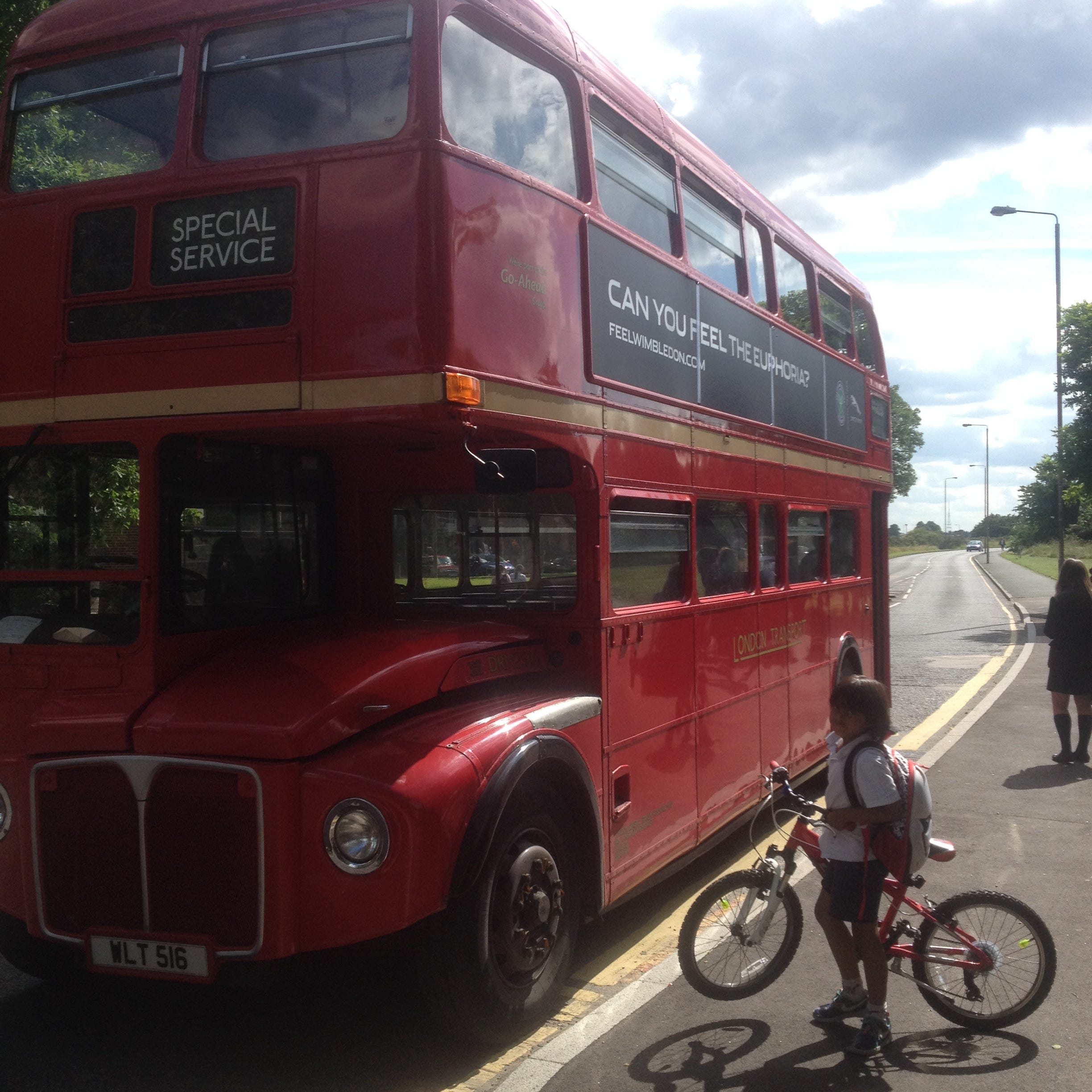
However, that's considered too dangerous for modern people. Boris Johnson tried to bring back the Routemaster, but sadly failed.
"The bus service in our city," one of the gallery visitors says melancholically, "hasn't been the same since the Routemaster disappeared…"
 | A guest post by
|