
Royal villa (with ghost)

In 1613, while hunting, King James I flew into a rage after his wife, Anne of Denmark, accidentally shot and killed one of his favourite dogs. A day later, he offered her his apologies. To make amends, the king gifted his wife a piece of land in Greenwich, part of present-day Greenwich Park near Placentia Palace. The gesture had far-reaching consequences.
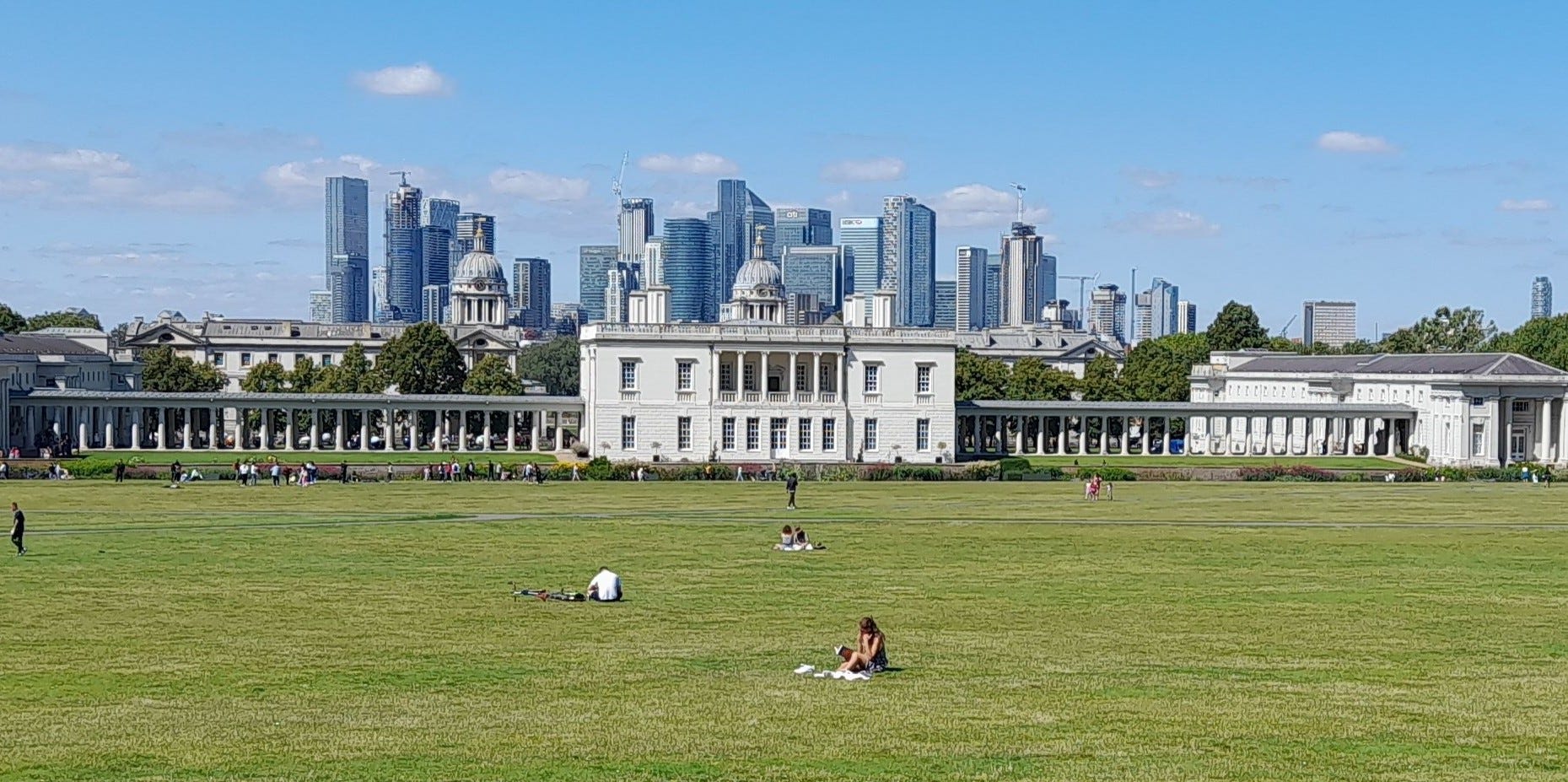
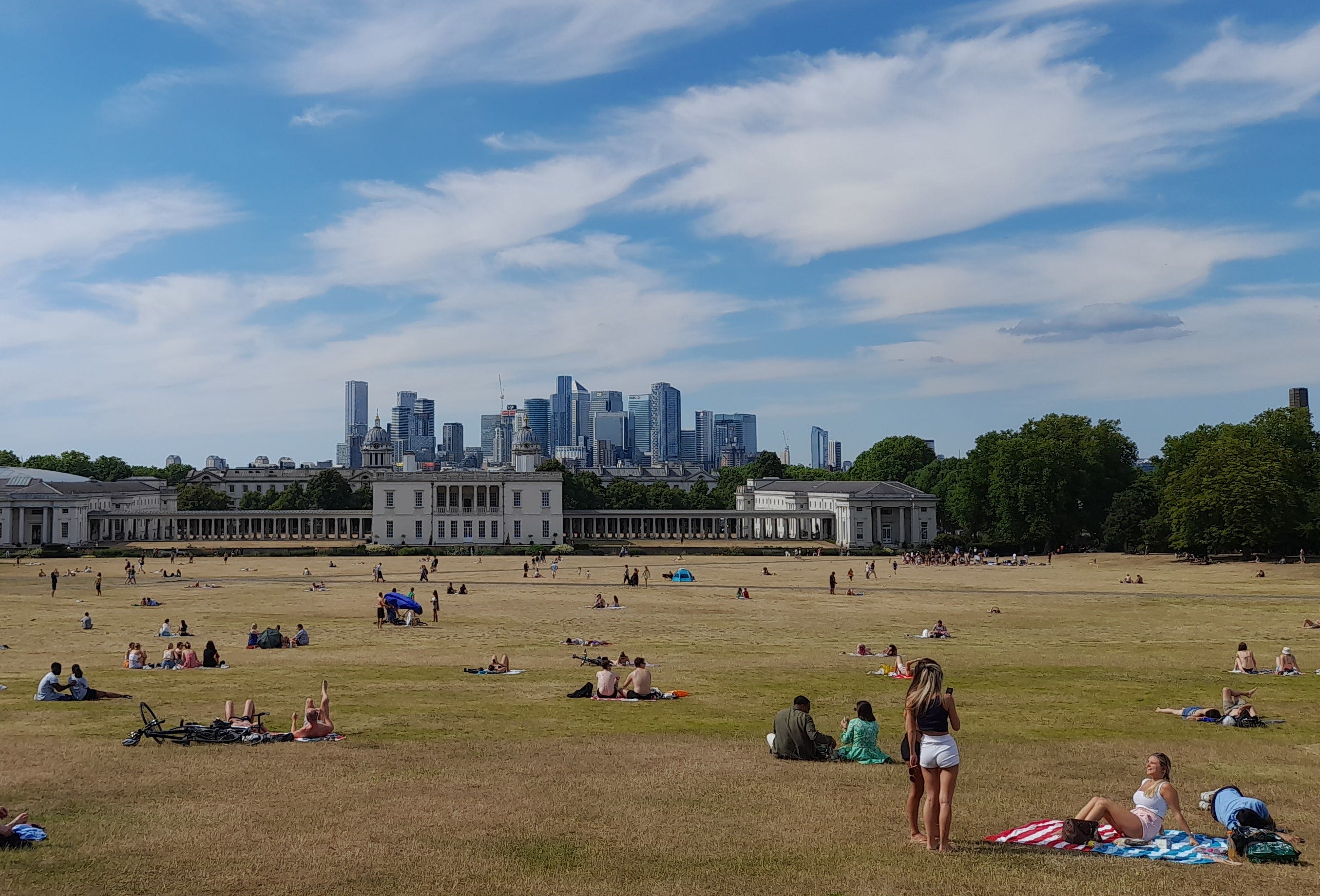
The Queen decided to build a white villa there. The Queen’s House was to become a House of Pleasure where the monarch could amuse herself and where court artists could work. She commissioned Inigo Jones to build it. He designed the leisure villa in the Italian style of Palladianism, a first in England. She never saw the result, however, as she died of tuberculosis during construction.

The location is quite unique, as the villa was built on the main road between London and the county of Kent, the former Old Dover Road. By building it over the road, a transition was created between the aforementioned Tudor palace on the river side and Greenwich Park further inland. The colonnade on either side of the Queen’s House is a reference to that historic thoroughfare.
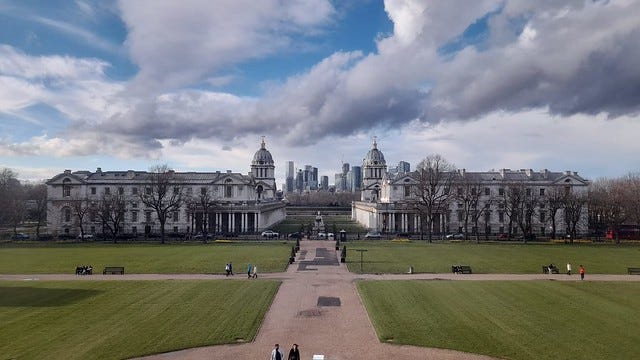
A problem arose after Placentia made way for the Royal Naval College in the late 17th century. Christopher Wren had a large building in mind, but it would block the view of the river from the Queen’s House. Queen Mary II objected, and the architect came up with an elegant solution: he split the building in two, creating a view through. That proved to be a stroke of genius.
The crown jewel of the art collection is the Armada portrait of Elizabeth I, painted around 1588. Also hanging on the wall is The Battle of Trafalgar by J.M.W. Turner, his only royal commission. With a width of three meters, it depicts the decisive naval battle of 1805. There are also several paintings by Willem van de Velde senior and junior, who worked in this house during the time of Charles II.
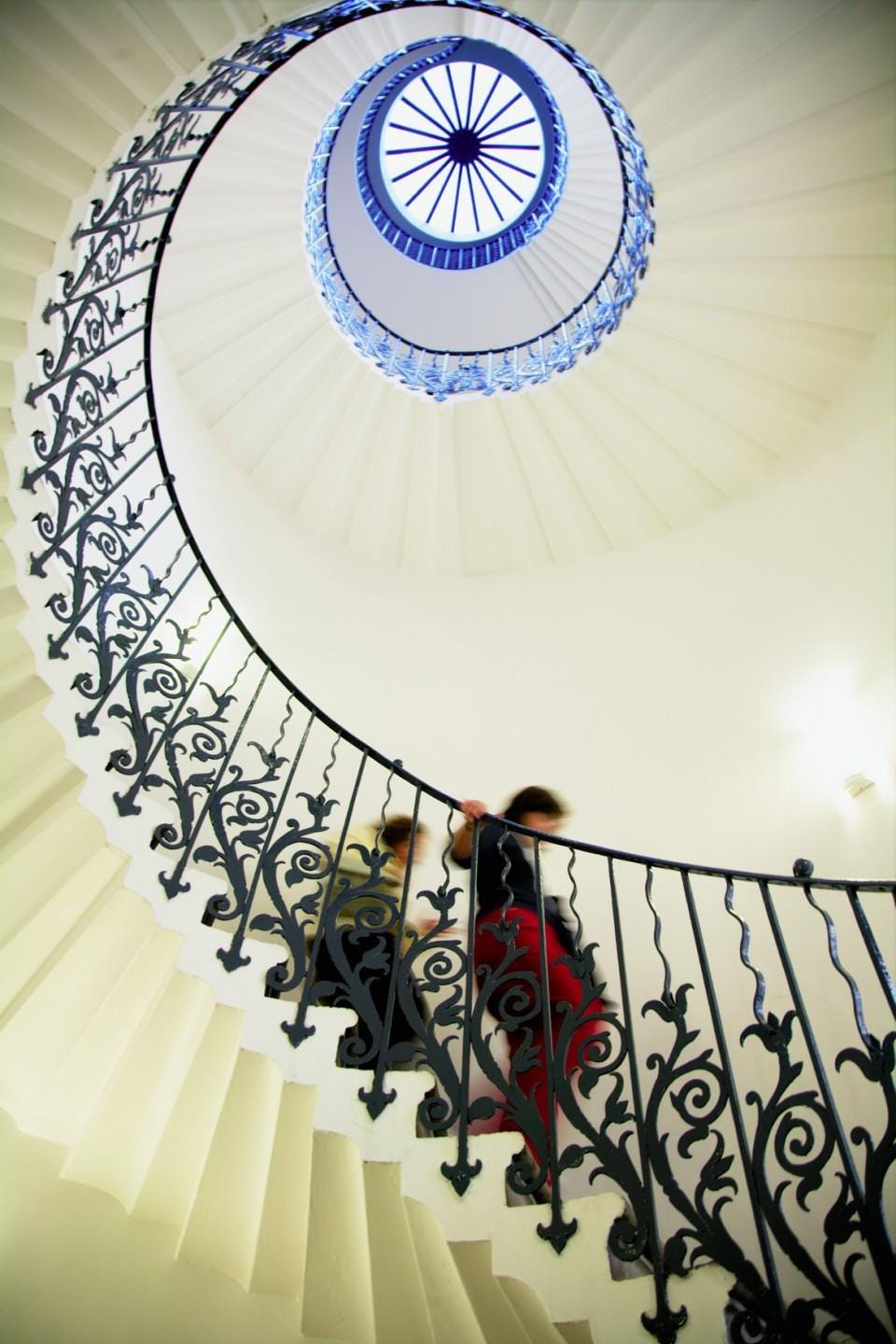
The highlight of the Queen’s House is the Tulip Staircase, the first spiral staircase in Great Britain requiring no central support. Inigo Jones’s staircase is regarded as a masterpiece of English classical architecture. The staircase has often been photographed, but in 1966, a Canadian clergyman took a very special photo. When it was developed, a white figure could be seen descending the stairs.
Since then, it’s said that the Queen’s House is haunted.
 | A guest post by
|