
Stump Tower

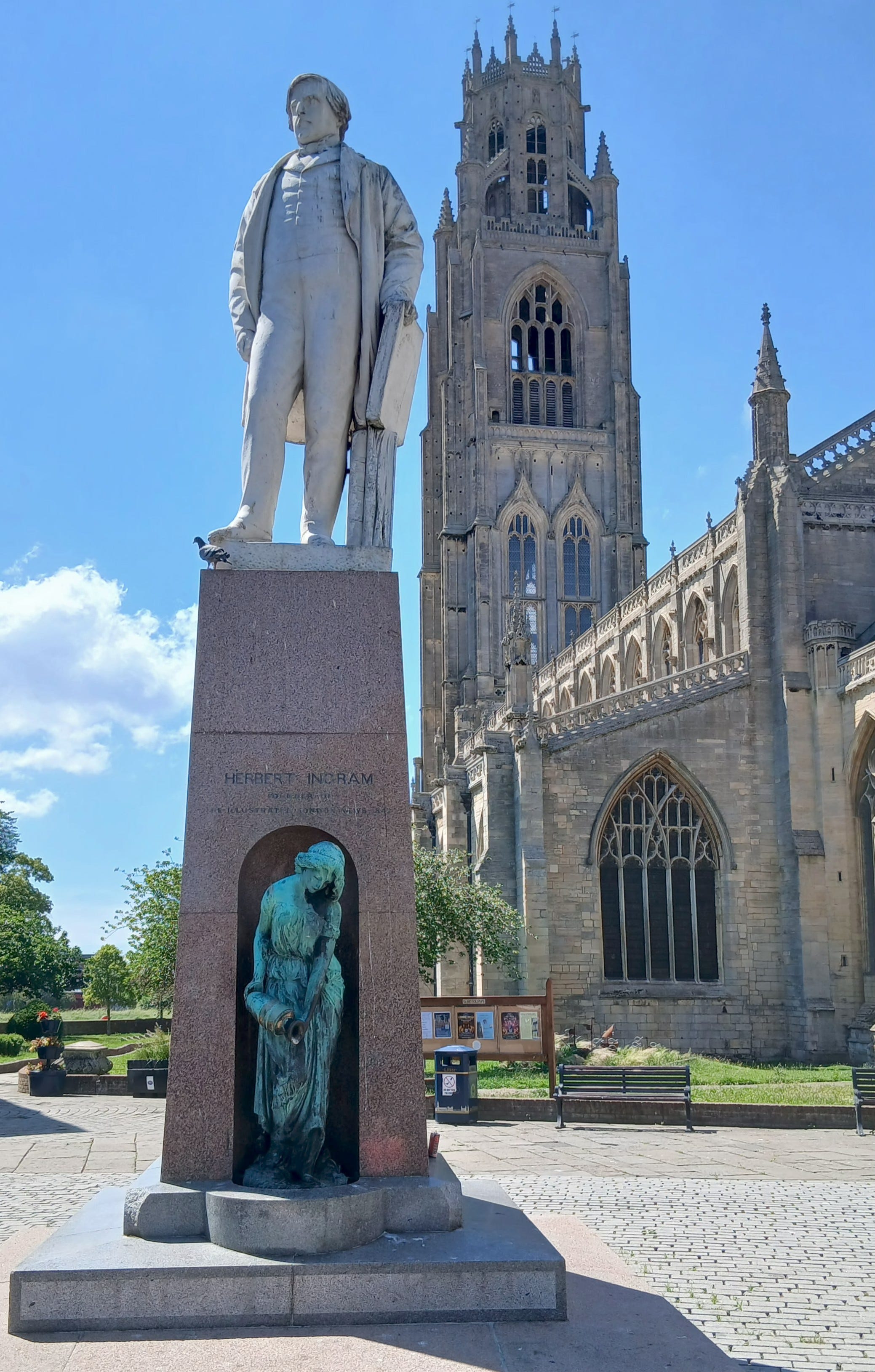
If the North Holland village of Stompetoren wishes to twin with an English municipality, Boston is the ideal candidate. This place in the county of Lincolnshire is known, among other things, for its ‘Stump’, referring to the tower of St Botolph’s Church. This 16th-century church, one of the largest in the country, features a stump tower over 81 meters high. Located on the Witham River, it used to be a landmark for the fishermen of Boston, but they are no longer there. On a clear day, the Stump can be seen from the flat county of Norfolk.
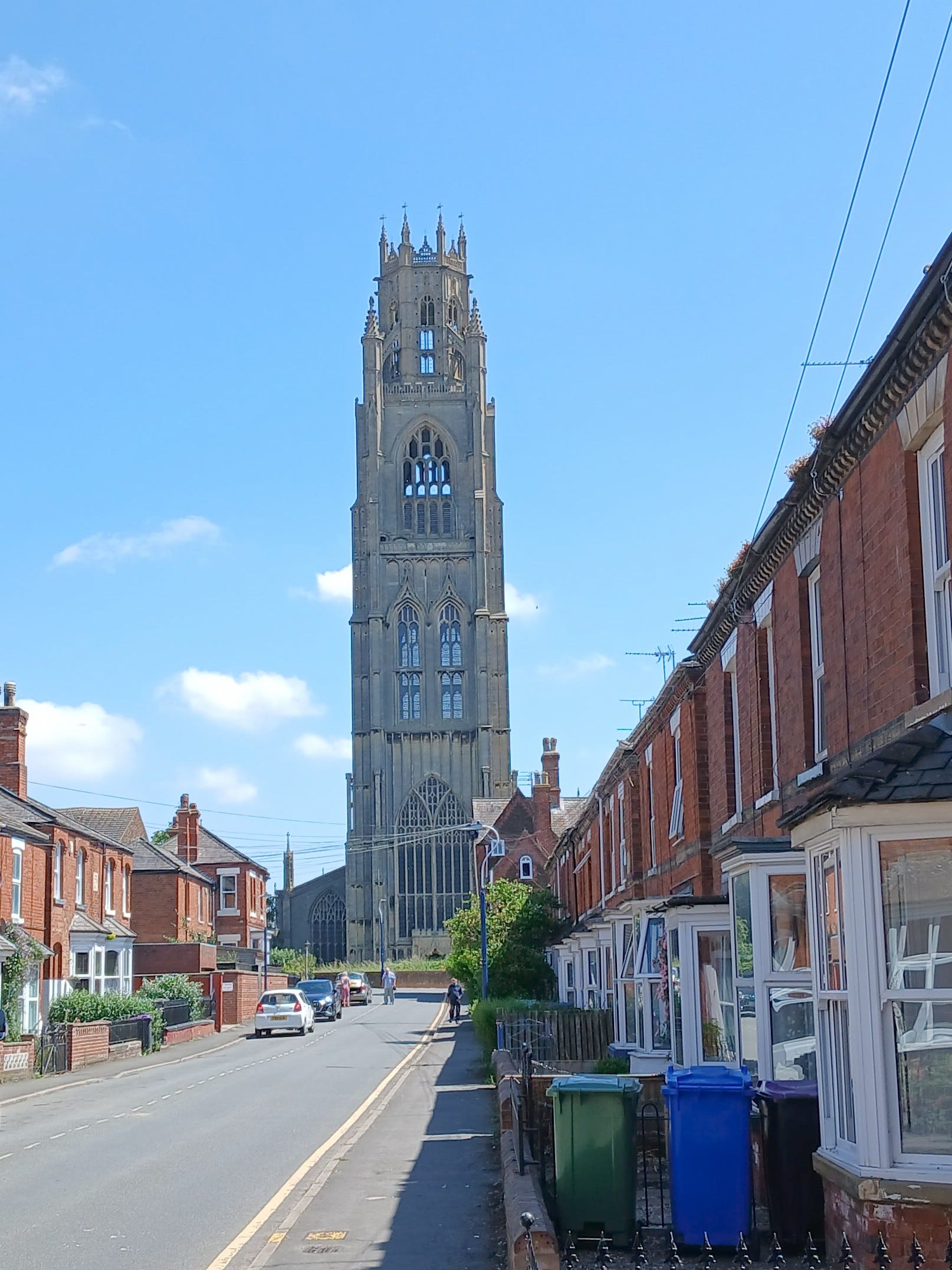
Constructing the church, which is nearly as large as a cathedral, took two centuries. This relatively short time speaks volumes about the wealth of this trading city near the North Sea. The Stump was built in just 150 years, which was beneficial in terms of its architectural coherence and unity. St. Botolph’s is the widest parish church in the country, the tallest up to its roof, and also one of the largest in terms of floor area. Architectural historian Nikolaus Pevsner described it as “a giant among English parish churches”.
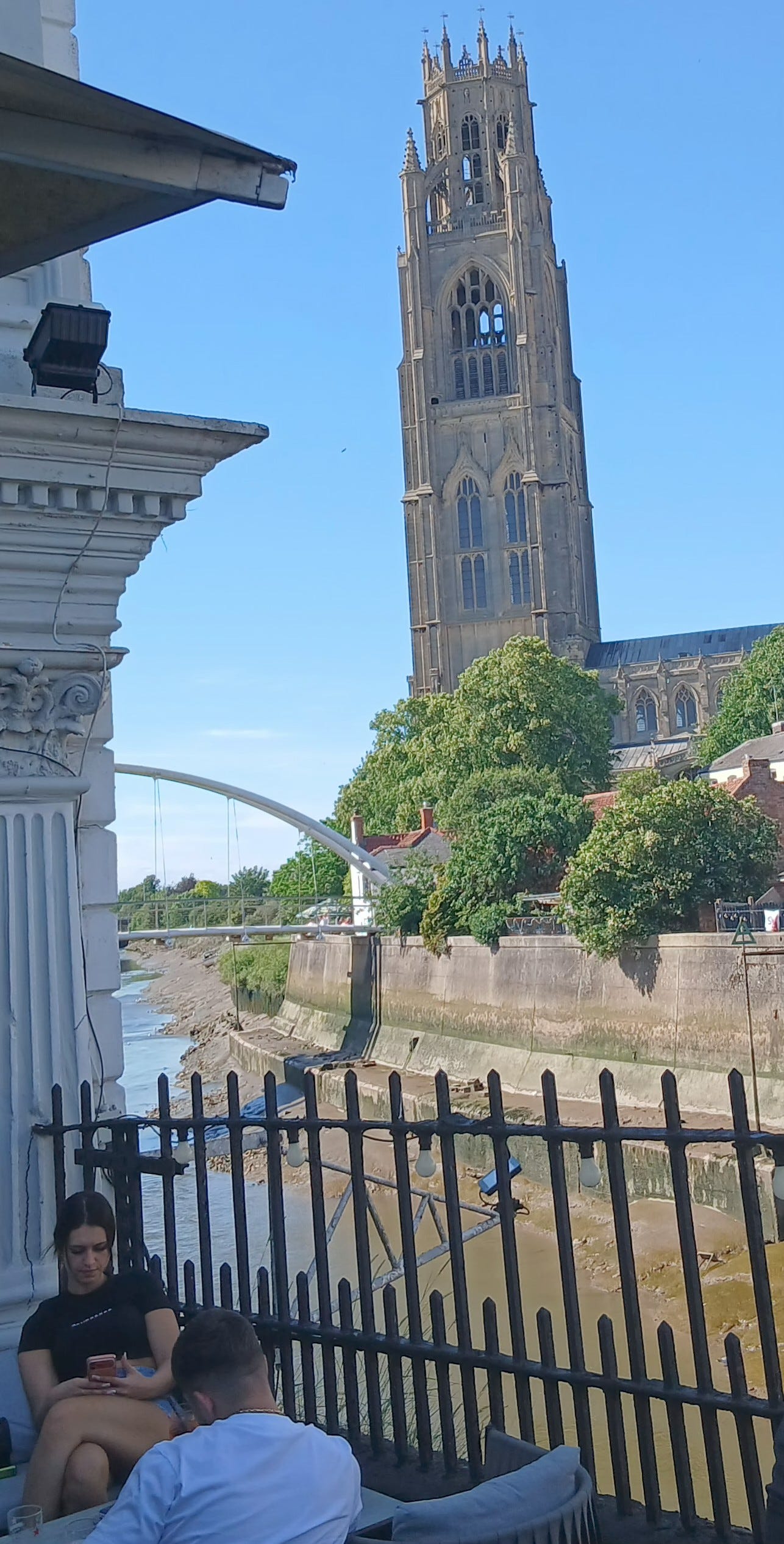
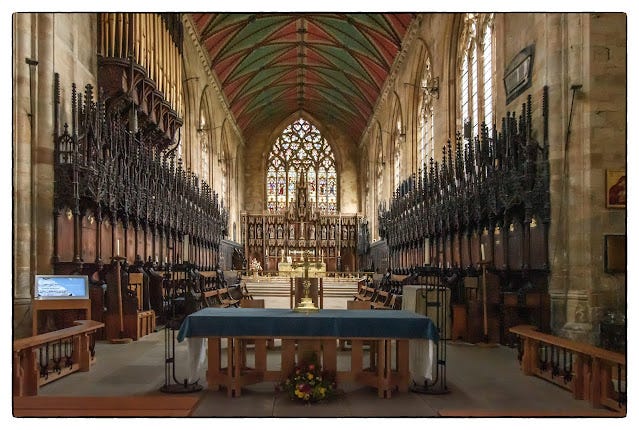
Many of the church’s dimensions correspond to dates on the calendar. The roof is supported by 12 pillars (months), the church has 52 windows (weeks) and 7 doors (days of the week). There are a total of 365 steps to the top of the tower (days of the year). There are 24 steps to the library (hours) and 60 steps to the roof (minutes and seconds). The library contains a collection of books by the Dutch philosopher and theologian Erasmus, published between 1545 and 1548.
Boston, originally Botolph’s Town, is now primarily associated with the American version. In 1607, a group of religious dissidents, Puritans, attempted to flee to Holland to escape religious persecution, but they were betrayed by the captain. Years later, they made a successful voyage to America on the Mayflower, under the leadership of the minister John Cotton, a 17th-century preacher. He played a significant role in the founding and naming of Boston in Massachusetts.
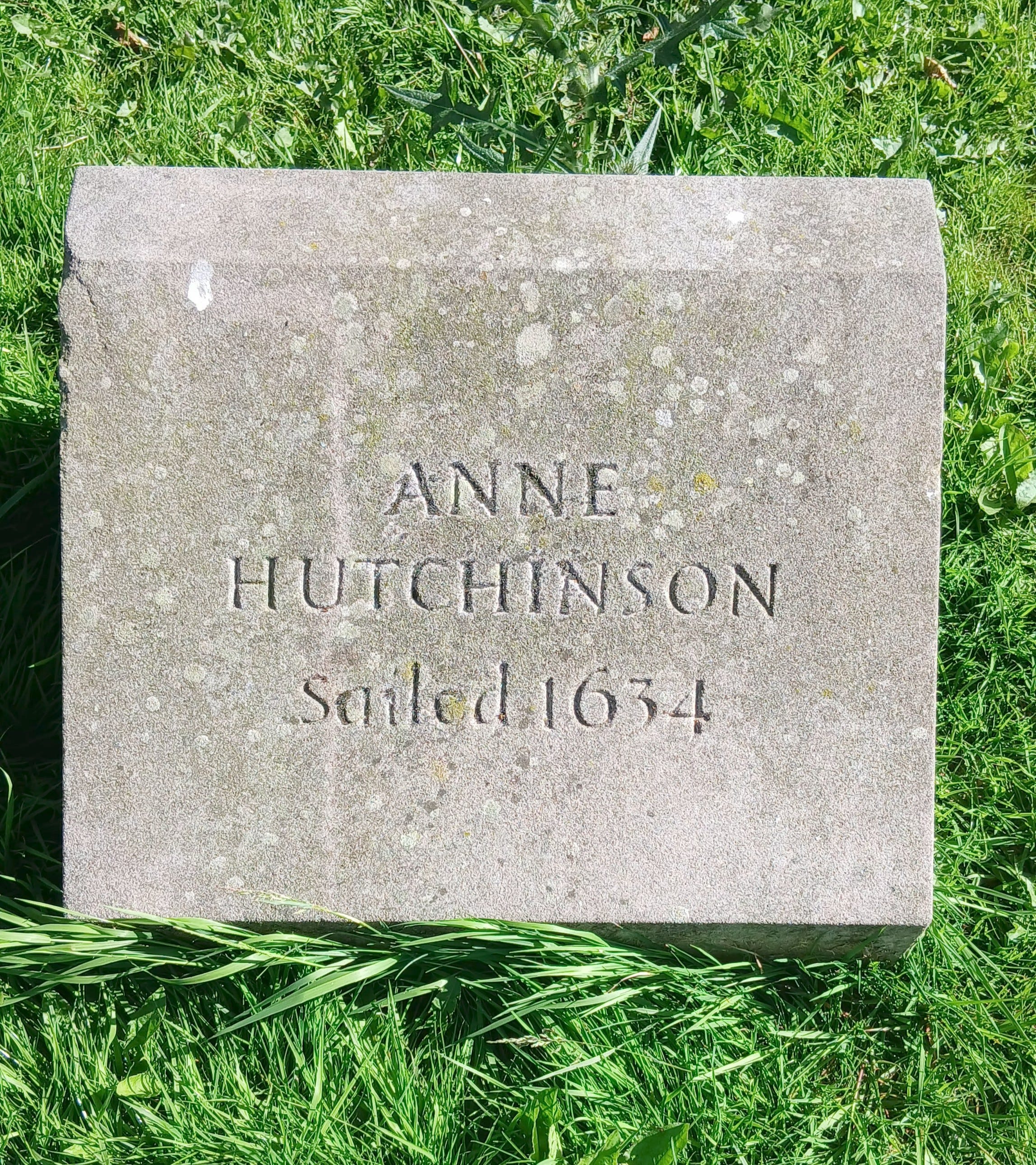
A model of the Mayflower stands in the churchyard. A little further on lie memorial stones for pilgrims, including Anne Hutchinson, a distant ancestor of American presidents Franklin D. Roosevelt and George H.W. Bush (and son). She did not have an easy time in New England. In 1637, Governor John Winthrop dragged this ‘immigrant’ to court for sedition and heresy. The court banished her because of her public sermons and lessons, stating that her conduct was “inappropriate for her sex”.
Walking to the church from the market square, you’ll pass a statue of Herbert Ingram, a Victorian journalist and politician. He is considered the father of photojournalism for founding The Illustrated London News. Ingram was renowned for his role in the introduction of drinking water, gas, and railways in the city, but lost his life when the steamship Lady Elgin sank on Lake Michigan during its voyage to the United States. A 165-year-old pocket watch found in the shipwreck was returned to Boston last year.
 | A guest post by
|