
Water

One of my favourite cafés in London is Conduit Coffee House. It is located around the corner from Great Ormond Street Hospital, the famous children’s hospital, in the Holborn district. I discovered it over twenty years ago, when I had to wait a few hours for a late Boris Johnson for an interview at the offices of The Spectator, which was then located on nearby Doughty Street. I usually stop off there for a pit stop during a bike ride to North London. The coffee is accompanied by a Bastogne biscuit, which is unusual in England. I suspect the owner is Polish, but I am not certain.
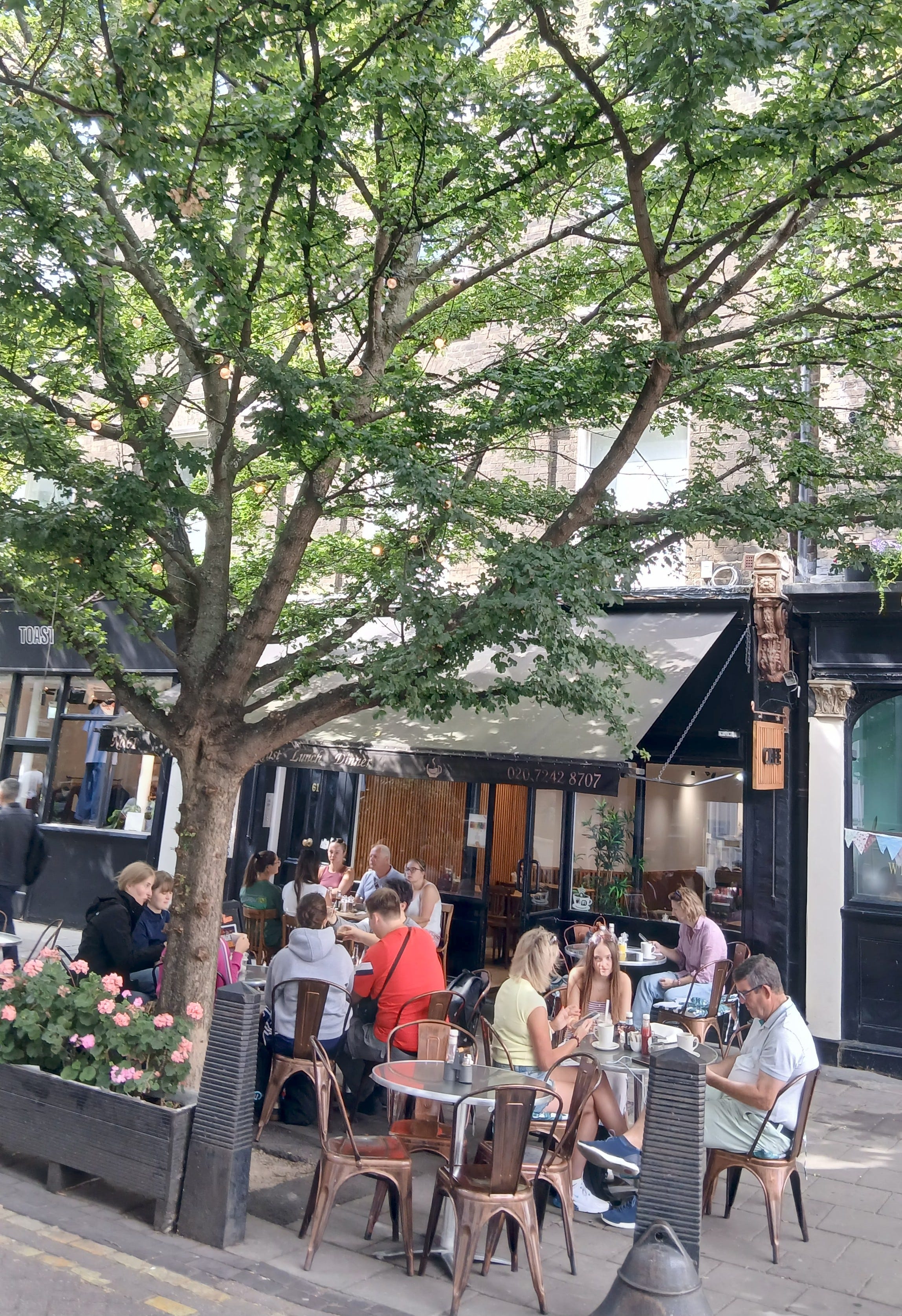
It was not until many years after my first visit that I learned that the street where the coffee house is located, Lamb’s Conduit Street, plays a special role in the history of the capital. The street is named after William Lambe, a religious philanthropist who had become wealthy in the textile industry during the reign of King Henry VIII. He fought against the power of the private, profit-seeking water companies, the Thames Waters of his time. At his own expense, he laid a water pipeline to supply Charterhouse, a large alms House, with water from the River Fleet. He gave 120 buckets to poor women so that they could earn a living by selling water.
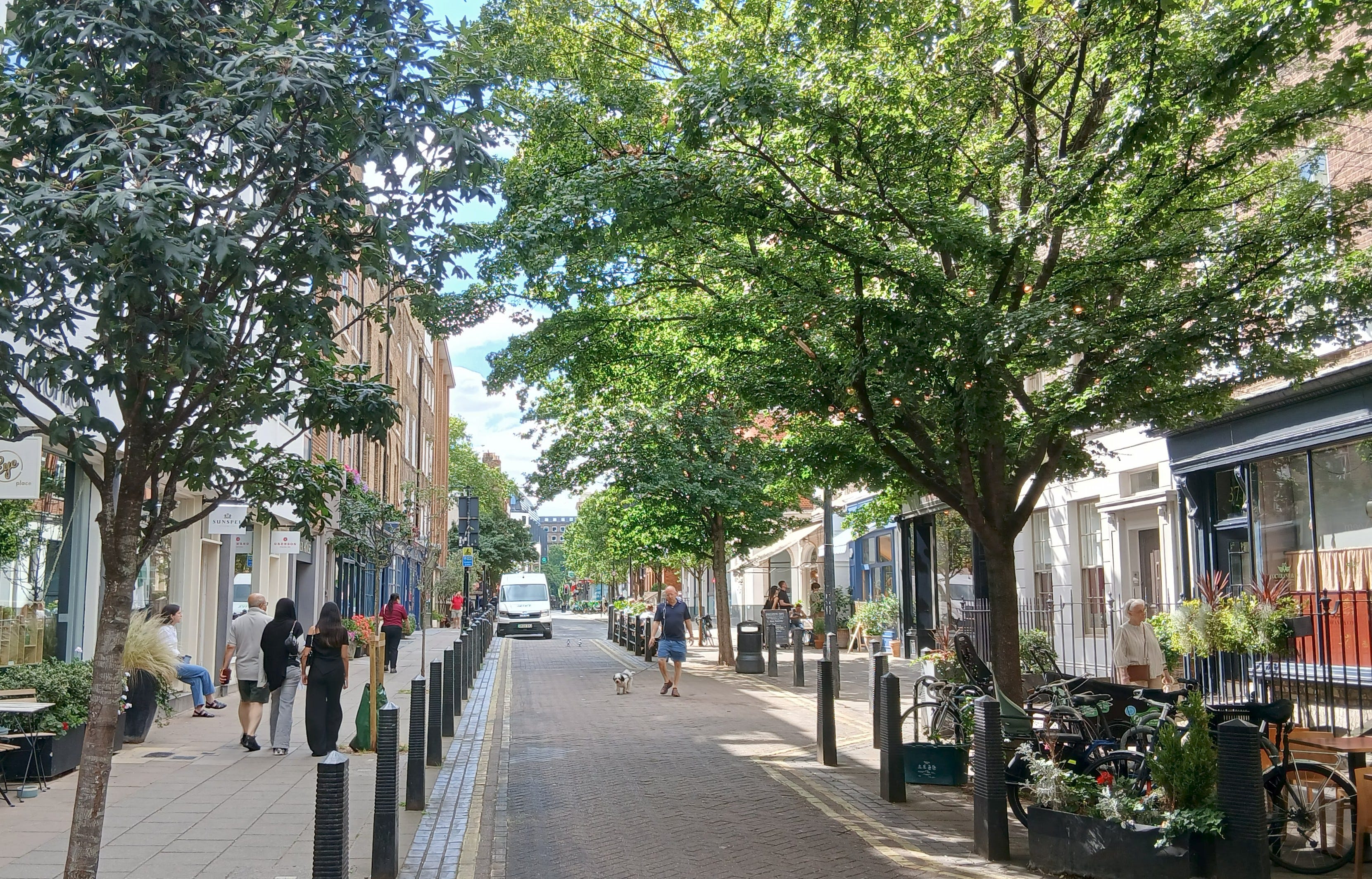
This benefactor also donated £1,500, which would be about half a million pounds today, for the reconstruction of the Holborn Conduit, a dilapidated system of water pipes that supplied the area with clean, cheap water. Although the water pipes have been gone for two centuries, a stone plaque still remains in the wall at the entrance to Long Yard reading: “Lamb’s Conduit, property of the City of London. This pump was erected for the benefit of the public”. One of the two pubs on the street, The Lamb, is named after him.
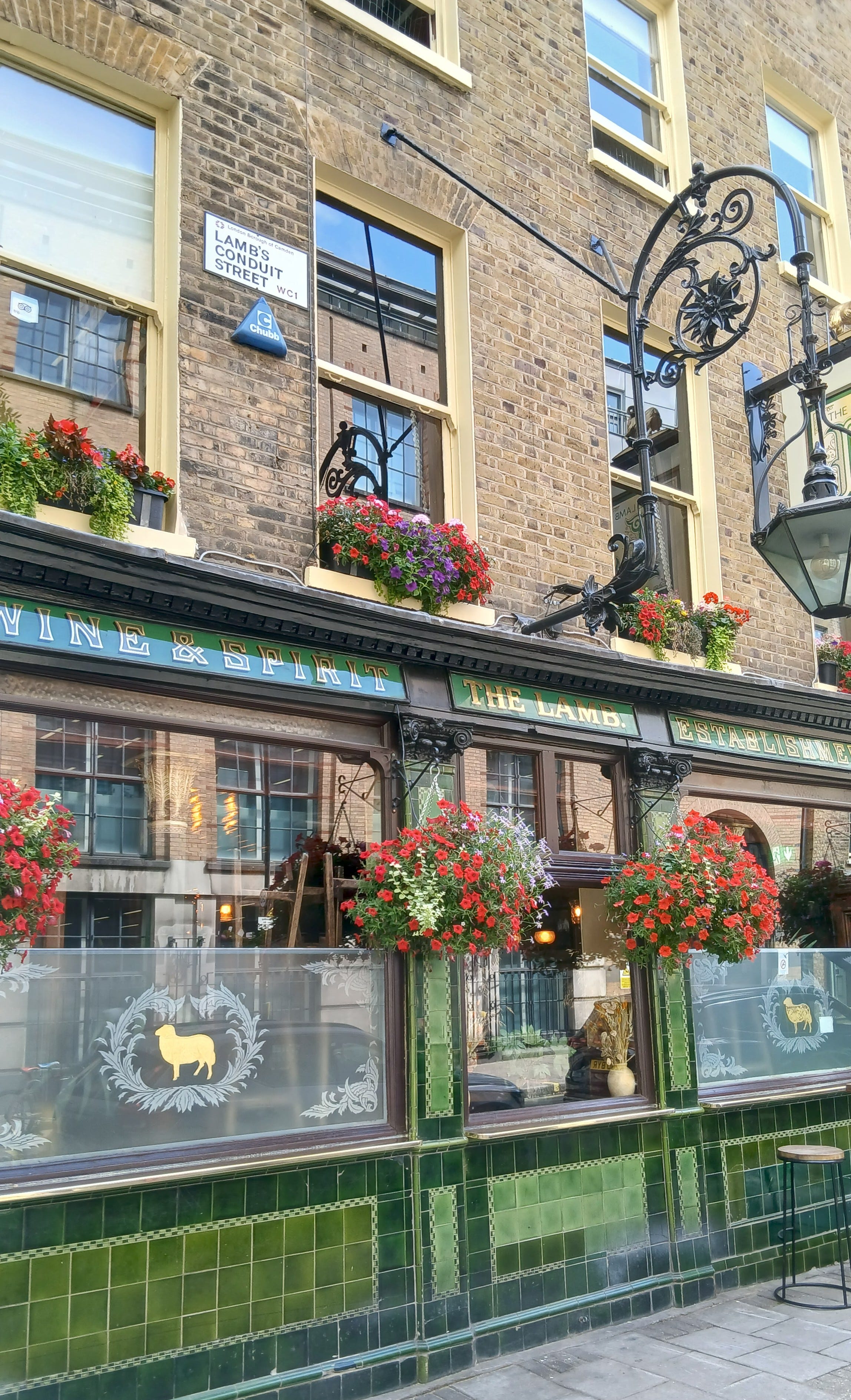
It is one of the many pubs where Charles Dickens, who lived around the corner, sat writing, and is specifically mentioned in his novel Little Dorrit: ‘Through the heart of the town a deadly sewer ebbed and flowed in the place of fine fresh river.’ That was a reference to The Big Stink of 1858, a scourge that caused cholera and would become the impetus for a revolutionary underground sewer system. Its designer was the civil engineer Sir Joseph Bazalgette, one of the great Victorians. Over time, his great work fell victim to the law of diminishing returns.
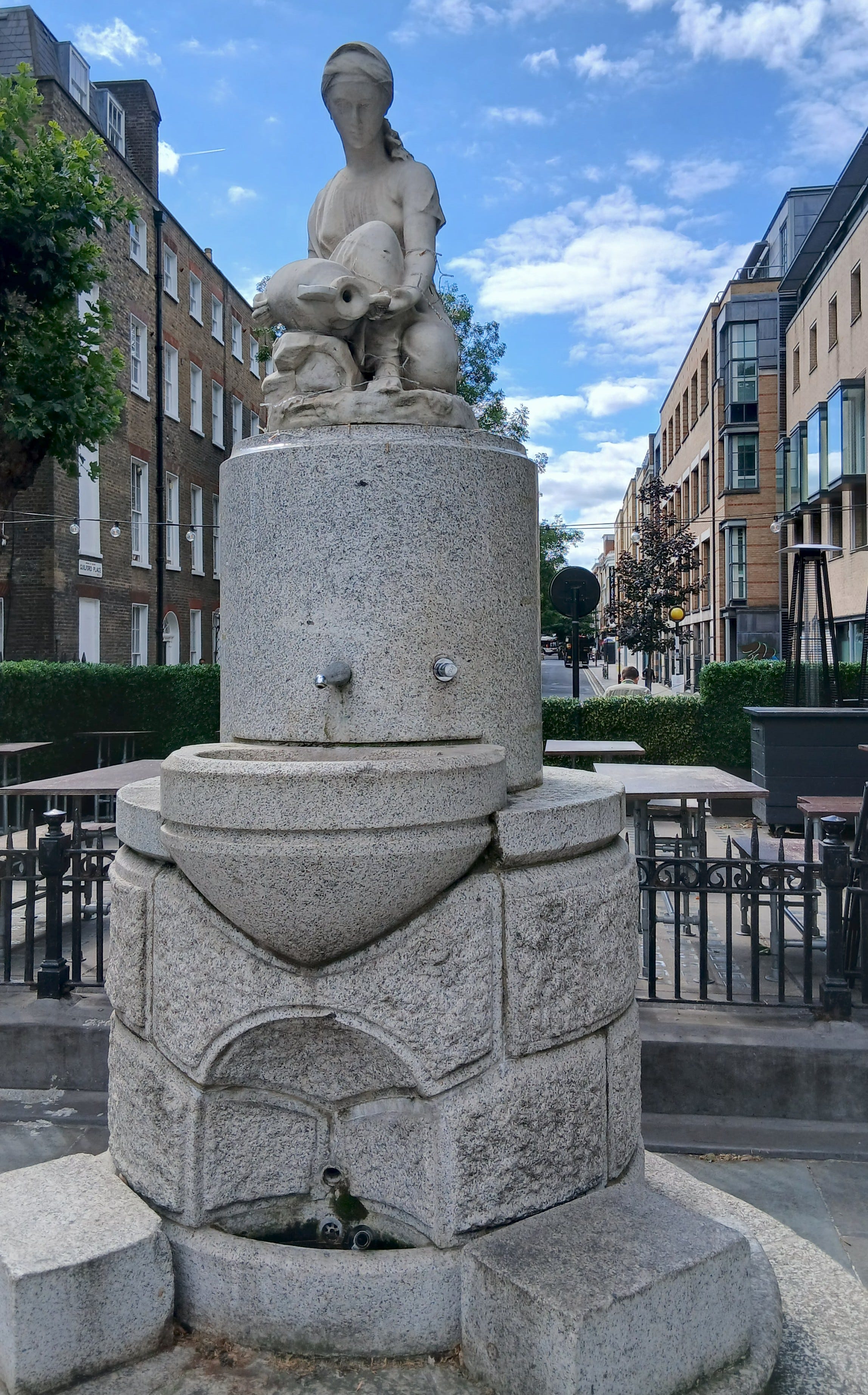
Around the corner from The Lamb is a Victorian water fountain, featuring a statue of the Samaritan woman Jesus met at Jacob’s well in the region of Samaria, as described in the Gospel of John. In a dialogue with this nameless woman, Jesus spoke the famous words: “If you knew what God wants to give you, and if you knew Who is asking you for a drink here, you would have asked Him for a drink. Then He would have given you fresh water.” Unfortunately, especially on a hot day, no water comes out of the tap anymore. However, there is an empty bottle of Prosecco in the fountain. Typical.
…and here is the link to Joost’s new substack
 | A guest post by
|