
We call them Windsor
July 17, 1917

On this day, the British royal family decided to change their name from the House of Saxe-Coburg-Gotha to the House of Windsor. This was due to the First World War raging at the time. The thinking was that the name change would make the German roots of the British royal family less apparent.
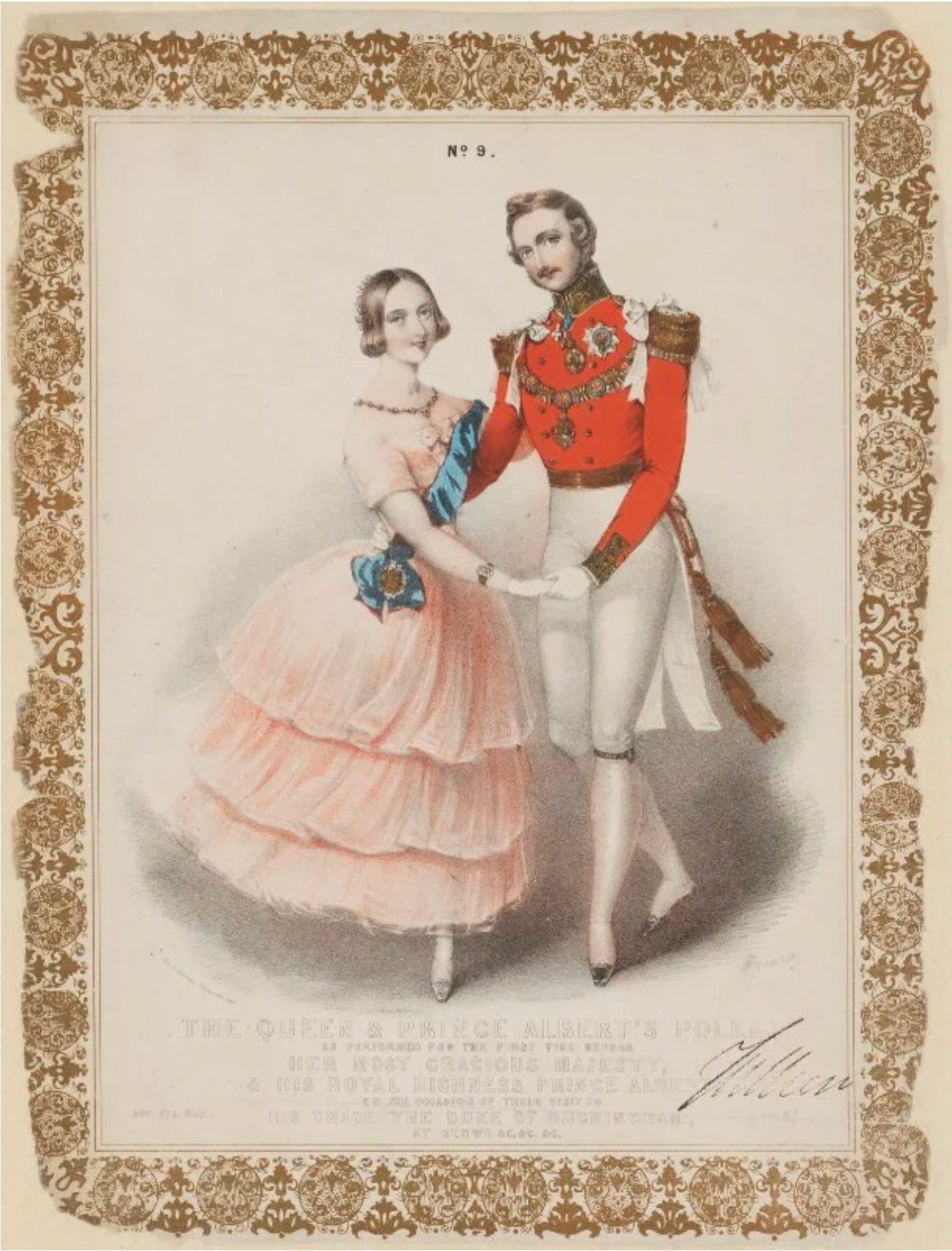
The Saxe-Coburg-Gotha connection was a result of the marriage of Queen Victoria to her cousin Albert. The marriage was arranged by Albert’s father and the Belgian King Leopold, a maternal uncle. It helped that Victoria and Albert liked each other. Within two weeks of their meeting in 1839, Albert took Victoria’s head in his hands and said: ‘ I love you so much, I can’t say how’ . It may indicate a lack of eloquence, or a lack of imagination, but Victoria was pleased. “I hope I can make him happy,” she confided to her diary.
It was, of course, not the Germans’ first connection with the British royal family. If we go back to the period of the Angles and the Saxons, this proud island (which many believe became independent since severing ties with the EU) was occupied by the Germans.
And not only the Germans, of course. Recently the Bayeux Tapestry has returned to England. The remarkable medieval embroidery was made in the thirteenth century near Canterbury. It depicts the triumphal battle of the Normans over the Saxon king Harold. I regularly ask the English if they would rather be called French or German.
Other ties with the Germans are more recent. When the English Queen Anne died childless in 1714, it was decided to bypass her closest relatives, as Parliament no longer wanted another Roman Catholic monarch. The kingship was passed on to the Hanoverian prince George, who went by the name George I.
The interconnections of the European royal houses are, with all those arranged marriages between cousins, an inextricable web. When the First World War broke out, blood relatives of Victoria sat on the thrones of Germany, Russia, and Belgium - and I am undoubtedly forgetting a whole series of other countries.
The decision to change the German name of the royal family 109 years ago today was therefore primarily symbolic. The same applied to the official recognition of the family name of Philip, the husband of Queen Elizabeth II. From 1960 onwards, their children were officially named Mountbatten-Windsor. Journalists are reminded of this almost weekly since we are no longer allowed to call Andrew, Charles’s brother, a prince, but must use his surname instead.
Mountbatten is also a twentieth-century invention. Before 1917, the Mountbattens went through life known by the name Battenberg. In this case, a direct translation of the name was chosen. In the case of Saxe-Coburg-Gotha, that was not a serious option.
i.